Beaverkill River Fly Fishing Report - April 4/12/2026
BEAVERKILL RIVER FLY FISHING REPORT
Catskills, New York — Spring Transition — Cold-water Focus
Report Date: April 12, 2026 | Next Update: April 19, 2026
Current River Conditions
Early spring/low‑warmth window — water still cold. Expect the best action on deep nymphs, emergers and slow, deliberate streamer work. Midge and BWO patterns are primary on most beats this time of year.
Flows & Clarity
Flow: Typical freestone springbase — variable from tributary inputs; current flows moderate.
Clarity: Mostly clear to lightly stained after rain; visibility 2–6 ft depending on run.
Flow: Typical freestone springbase — variable from tributary inputs; current flows moderate.
Clarity: Mostly clear to lightly stained after rain; visibility 2–6 ft depending on run.
Water Temperature
Current: ~40–44°F (4–7°C)
Trend: Slow seasonal warming — fish remain in colder-water holding lies.
Current: ~40–44°F (4–7°C)
Trend: Slow seasonal warming — fish remain in colder-water holding lies.
Weather Outlook
Forecast: Cool mornings, milder afternoons. Light wind possible. Expect pockets of sun to trigger short surface activity midday.
Forecast: Cool mornings, milder afternoons. Light wind possible. Expect pockets of sun to trigger short surface activity midday.
Access & Roads
Public access at standard parking/launch areas; seasonal parking rules apply. Expect spring road/shoulder soft spots — check local town guidance.
Public access at standard parking/launch areas; seasonal parking rules apply. Expect spring road/shoulder soft spots — check local town guidance.
Regulations & Notes
The Beaverkill River is open to fishing. Anglers must observe New York State Department of Environmental Conservation freshwater fishing regulations and any Beaverkill-specific special regulations. Confirm current NYS DEC rules (season, license, gear restrictions, and special trout water rules) before fishing: NY DEC — Freshwater Fishing.
Hatch & Insect Activity (April)
| Insect | Size | Activity | Prime Time |
|---|---|---|---|
| Midges | #18–24 | High — winter/spring resident midge activity; subsurface midges are primary food source | All day (focus: low light & slow seams) |
| BWO / Baetis | #18–22 | Light → Moderate — increasing with warming afternoons and sun | Late morning to mid‑afternoon; short surface windows |
| Small Emergers / PMD‑type activity | #16–20 | Scattered emergers — best when stream warms slightly | Midday to early afternoon |
| General Nymphs (PT, Hare’s Ear, Perdigon types) | #14–20 | Primary food in deeper seams and tails of pools | All day — deep runs & riffle tails |
Recommended Flies (seasonally appropriate)
Notes: Patterns and links below are matched to proven winter → spring cold‑water choices. All selections favor midge/BWO/emerger and nymph/streamer tactics; terrestrials and large stonefly salmonfly patterns are intentionally excluded for April conditions.
Euro / Indicator Nymphs (deep nymphing)
- Egan's Thread Frenchie Jig - Olive — tungsten jig for tight, precise nymph presentation (ranked high on the sheet)
- Pheasant Tail (Tungsten) — universal emerging mayfly/baetis imitation; great dropper
- Roza's World Spain Perdigon (barbless) — slim, dense, fast‑sinking perdigon for deep, picky fish
- Egan's Frenchie — effective attractor/nymph in tight spots and as an anchor fly
Midges / Zebra Midge Options (tiny, high‑value options)
- Black Zebra Midge (TBH) — winter/spring staple for indicator rigs
- Top Secret Midge — soft, subtle profile for selective fish
- Massacre Midge - Black — reliable small emergent/dry midge imitation for surface sipping
- Jujubee Midge - Olive — great for indicator/Euro rigs when olive tones match
Drys & Emergers (BWO / PMD windows)
- Parachute — Blue Wing Olive — parachute BWO that fishes well in low‑float conditions
- Antonio's Adult BWO — good for subtle adult stages in April
- Barr's Flashback Emerger — BWO — key emerger profile to fish tight to the bank and seams
- Stealth Link Mercer — PMD — useful on mixed mayfly windows and emergers
Streamers & Slow Strip Patterns
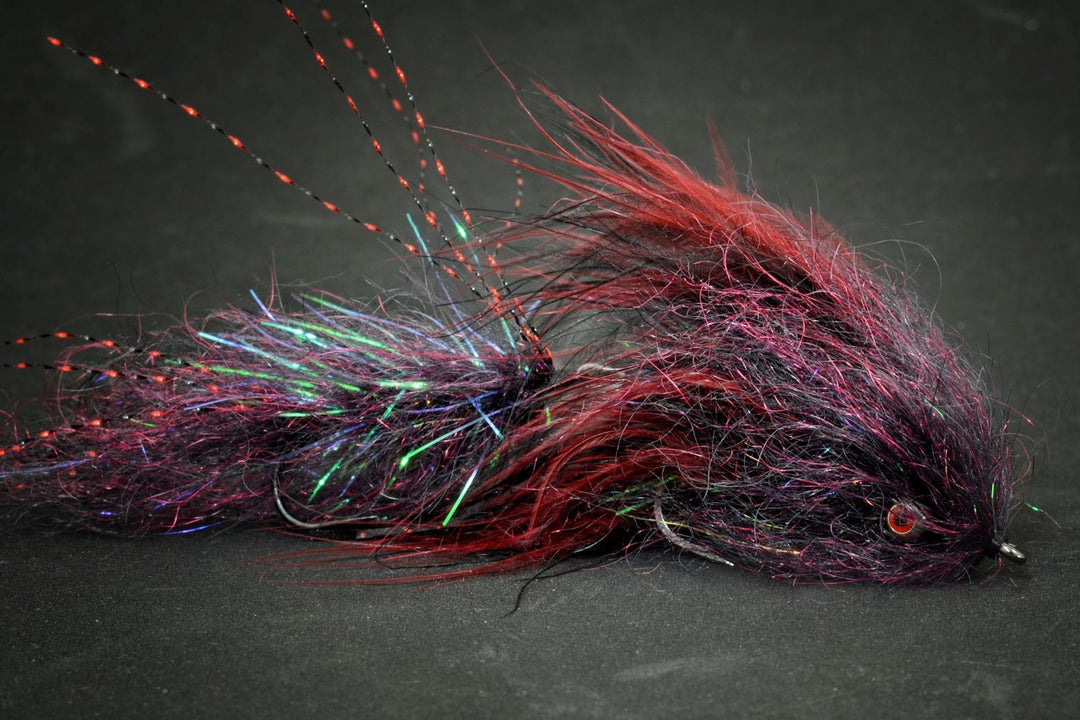
- Egan's Poacher — Olive — compact, heavy jig/poacher for slow strip and twitch; excellent for cold trout
- Egan's Poacher — Black — darker baitfish/leech profile for low‑light or stained water
- Coffey's CH Sparkle Minnow — Sculpin — effective sculpin/baitfish imitation for deep runs
- Sculpzilla — Olive — articulated/realistic sculpin that draws reaction strikes; slow strip and pauses
Tactics & Cold‑Water Strategies (April)
Focus on subsurface presentations and slow streamer work. Surface windows are short and driven by sun/temperature; prioritize deep, accurate offerings.
Deep Nymphing (primary tactic)
- Rig: Euro/indicator rigs both work. On indicator rigs run a tungsten bead nymph (anchor) 12–18" below an indicator with a smaller zebra midge or pheasant tail trailing 6–12" behind.
- Weighting: Use tungsten on deeper drifts — short, dense perdigons or Frenchie jigs fish particularly well on the Beaverkill's deeper tails.
- Presentation: Slow, vertical drift through tails and seams. Fish tight to structure and seams where colder, oxygenated water concentrates feeding trout.
Slow Streamer Stripping (secondary but high reward)
- Use bulky, realistic sculpin or poacher patterns on a sink-tip or full‑sinking line for deep runs; slow strips with pauses and occasional long slow pulls are effective in cold water.
- Fish streamer strips along undercut banks, log shadows, and the heads/tails of pools. A deliberate, low‑tempo retrieve triggers lethargic trout more than aggressive jerks in this temperature range.
Midge / BWO Windows
- When midges or BWO begin to show on the surface, downsize to #18–24 emergers and midges on light tippet (6–7X when possible) and fish them near slow seams and slack water pockets.
- Short leaders, tapered 7.5'–9' 3X–5X with a fine tippet for very small flies will increase hookups on selective fish.
Leader, Tippet & Gear
- Rods: 9' 4–6 wt for nymph/dry combos; 8'6"–9' 6–7 wt for streamers.
- Leaders: Euro setups 9–12' fluorocarbon/euro leader; indicator rigs 9' 3X–4X taper with 6–7X tippet for midge/BWO.
- Tippet: 6X–7X for midge/BWO emergers; 4X–5X for nymph droppers; 2X–3X for streamer leaders.
Where to Fish / Beats & Access
Target tailouts and deep seams below riffles, pool heads and the inside of bend seams where cold‑holding trout key on drifting nymphs and pupae. Early and late-day puddles, eddies and below woody structure will hold more fish in April. Walk quietly and present to the far side seam and tail of the pool first.
Quick Checklist
- Pile up tungsten jig/nymphs (Frenchie, Thread Frenchie) and slim perdigons for deep shots.
- Pack a selection of zebra midges (#18–24) and a couple BWO emergers/parachutes for surface windows.
- Include two streamer options (olive poacher, sculpin minnow) for slow retrieves in deep runs.
- Bring spare leaders and thin tippet (6–7X) — small flies and selective trout demand light tippet.