Montana ·
Bighorn River Fly Fishing Report - February 2/1/2026
BIGHORN RIVER FLY FISHING REPORT
Thermopolis / Fort Smith tailwater — winter tactics
Report Date: February 1, 2026 | Next Update: February 8, 2026
Current River Conditions
Winter tailwater fishing remains best subsurface. Cold-water tactics (deep nymphing, Euro/drop-shot, slow streamer work and midge/BWO presentations) are producing the most consistent results right now.
Flows & Clarity
Stable tailwater releases below Boysen/Afterbay — generally clear with good visibility in most runs. Expect clear slot water and defined seams.
Water Temperature
Typical winter range: mid-30s to low-40s °F (depending on cold snaps). Fish are holding deep and slow; keep presentations low-energy.
Weather & Access
Winter weather: cold mornings, occasional milder afternoons. Wading is possible in many spots but use caution (ice, hypothermia risk). Boat/raft floats remain productive for accessing deep seam water.
Target Species
Rainbows and browns—active but selective. Larger fish move from current edges into troughs and deep tails; be stealthy and fish deep.
Hatch Chart & Insect Activity (winter)
| Insect / Food | Size | Activity | Prime Time |
|---|---|---|---|
| Midges (pupa, emergers, adult) | #18–24 | Primary food source — steady, low-key activity | All day; best during mild afternoons |
| Blue‑Winged Olive (BWO) / Baetis | #18–22 | Occasional emergers/soft rises on milder, overcast days | Late morning to afternoon when temps bump |
| Sowbugs / Scuds | #10–16 | Consistent subsurface food in tailwater pockets | Throughout the day — fish near bottoms |
| Leeches & Annelids | large n/a | Very effective for streamer/dirty nymph approaches | Midday to afternoon |
Recommended Flies (winter-focused)
All pattern choices below emphasize subsurface winter tactics and small‑insect presentations. Links go to the shop entries used during the research — prioritize tungsten/jigged/Euro nymph options for depth and turnover.
Nymphs / Euro & Indicator Rigs
- Egan's Thread Frenchie Jig - Olive (rank 4) — excellent as an anchor/split-shot jig or dropper for winter nymphing (size ~12)
- Roza's World Spain Perdigon - Barbless (rank 13) — tight, dense profile for euro/indicator rigs
- Pheasant Tail Tungsten (rank 16) — classic nymph body with tungsten for fast sink
- Tailwater Sowbug - Rainbow (rank 14) — perfect for realistic sowbug/pebble imitation on an indicator rig
Midges (pupa / emerger / jig) — critical in winter
- Black Zebra Midge (TBH) (rank 48) — tungsten/jig variants get you down quickly and are winter staples
- Top Secret Midge (rank 109) — slim-profile midge for tight presentations (#18–24)
- Jujubee Midge - Zebra (rank 288) — good winter zebra-style midge
- Bling Midge - Black (rank 252) — small, reflective midge for picky fish
Emergers / BWO (small dry windows or emerger rigs)
- Parachute - Blue Wing Olive (rank 31) — go-to for subtle BWO emergence events
- Stealth Link Mercer - BWO (rank 219) — slim parachute emerger for selective rises
- Barr's Flashback Emerger - BWO (rank 72) — classic emerger profile
- Soft Hackle Pheasant Tail Jig - Barbless (rank 63) — soft‑hackle droppers and micro‑jigs are deadly in winter
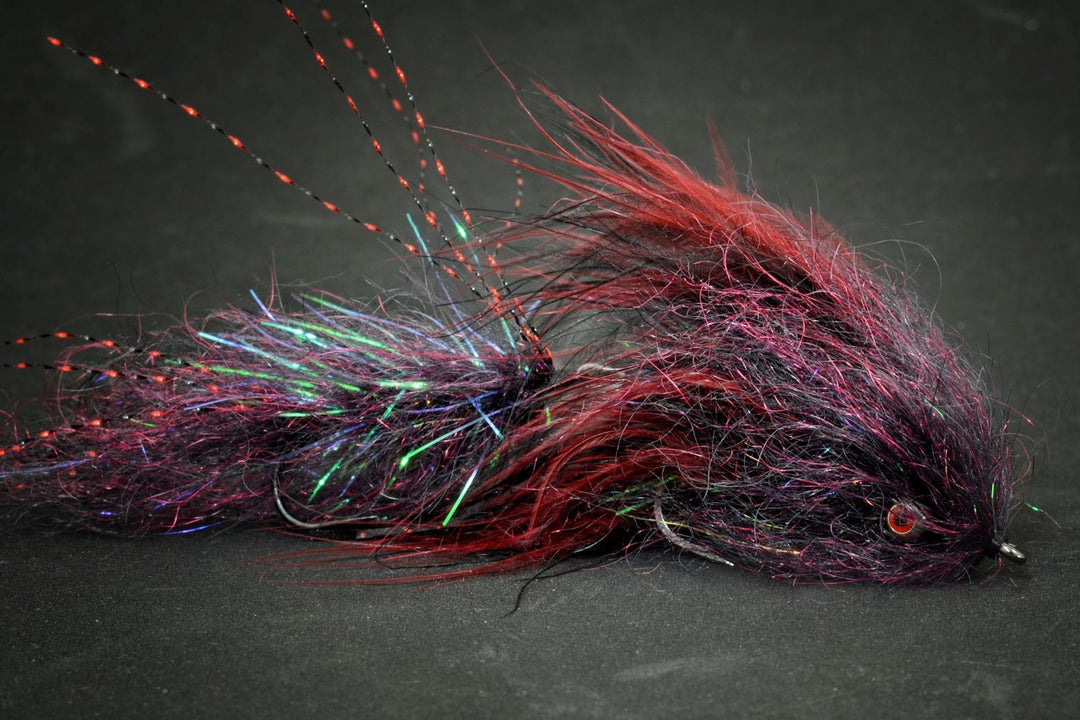
Streamers / Slow Strips (target big winter trout)
- Coffey's CH Sparkle Minnow Sculpin (rank 7) — compact sculpin profile for slow strip/short pauses
- Sculpzilla - Olive (rank 65) — articulated/realistic sculpin action at slow speeds
- Rusty Trombone (rank 190) — bigger profile for heavy trout in deeper runs
- Goldie - Articulated (rank 393) — articulated minnow for slow roll through deep slots
Soft‑hackles / small droppers / specialty jigs
- Soft Hackle Pheasant Tail Jig - Barbless (rank 63) — classic soft-hackle for winter drift
- CDC Soft Hackle Tailwater Sowbug Jig - Rainbow (rank 164) — great as a trailing dropper off a heavier anchor
- Egan's Thread Frenchie Jig (brown) (rank 23) — alternate color for matching subsurface tones
- Tungsten Jig TNT - PMD (rank 135) — small tungsten jig for precise depth control
Tactics & Tips — Cold‑Water Focus
General approach: winter trout on the Bighorn are most often found feeding subsurface. Prioritize depth and drag‑free presentations. Use small, dense tungsten jigs/perdigons for Euro work and slow, heavy streamers for active big fish.
- Deep nymphing (Euro / tight‑line): use #12–22 weighted nymphs (tungsten/jig) on 9'–12' leaders; 0.2–0.6 g tungsten and 3X–5X tippet. Anchor with a heavier jig and trail a small midge or PT dropper 12–30" below.
- Indicator rigs: inline tungsten or small split shot to get flies to the bottom in seams/holes. Keep strike detection soft—fish often mouth and move off slowly in cold water.
- Midge game: fish small zebra midges and midge pupa on dropper rigs; on calm, mild afternoons try emergers / tiny parachutes for sporadic surface sipping. Presentations should be slow with minimal drag.
- Streamers: slow strip with 4–6 rod‑tip strips, then long pause. Target deep tails, undercut banks and boulder edges. Use larger profiles near structure; downsize if fish are picky.
- Depth first: if no action, add weight or go smaller and deeper — winter trout prioritize energy efficiency and will often take slow, realistic offerings near the bottom.
- Rigging notes: use short, stiff leaders for Euro; for indicator rigs try 9' 4X with 12–18" of 5X tippet for small emergers. Replace tippet often — cold water reduces knot strength.
- Safety: winter wading requires studded boots, flotation, and an extra dry layer. Bring a partner and keep mobile phones dry.
- Deep nymphing (Euro / tight‑line): use #12–22 weighted nymphs (tungsten/jig) on 9'–12' leaders; 0.2–0.6 g tungsten and 3X–5X tippet. Anchor with a heavier jig and trail a small midge or PT dropper 12–30" below.
- Indicator rigs: inline tungsten or small split shot to get flies to the bottom in seams/holes. Keep strike detection soft—fish often mouth and move off slowly in cold water.
- Midge game: fish small zebra midges and midge pupa on dropper rigs; on calm, mild afternoons try emergers / tiny parachutes for sporadic surface sipping. Presentations should be slow with minimal drag.
- Streamers: slow strip with 4–6 rod‑tip strips, then long pause. Target deep tails, undercut banks and boulder edges. Use larger profiles near structure; downsize if fish are picky.
- Depth first: if no action, add weight or go smaller and deeper — winter trout prioritize energy efficiency and will often take slow, realistic offerings near the bottom.
- Rigging notes: use short, stiff leaders for Euro; for indicator rigs try 9' 4X with 12–18" of 5X tippet for small emergers. Replace tippet often — cold water reduces knot strength.
- Safety: winter wading requires studded boots, flotation, and an extra dry layer. Bring a partner and keep mobile phones dry.