Colorado ·
Blue River Fly Fishing Report - January 1/4/2026
BLUE RIVER — BELOW DILLON DAM
Winter Tailwater Report • Silverthorne / Dillon, CO
Report Date: January 4, 2026 | Next Update: January 11, 2026
Current River Conditions
This is a classic winter tailwater — cold, crystal clear, and technical. The fish are stacked and deliberate; success is about depth and subtle presentation, not flashy patterns.
Flows & Source
Release: Dillon Dam (bottom-release tailwater)
Typical winter release: ~107 CFS (check local gauges before you go)
Water: Very clear — long leaders and small tippets required
Release: Dillon Dam (bottom-release tailwater)
Typical winter release: ~107 CFS (check local gauges before you go)
Water: Very clear — long leaders and small tippets required
Temperatures
Air: Often below freezing at night; daytime warming is limited
Water: Winter tailwater range — expect mid 30s to low 40s °F; trout feed in a narrow window when sun and warmth align
Air: Often below freezing at night; daytime warming is limited
Water: Winter tailwater range — expect mid 30s to low 40s °F; trout feed in a narrow window when sun and warmth align
Angling Pressure & Access
Crowds: Moderate (anglers who tolerate cold prefer the Blue)
Access: Bank fishing below the dam and along the river corridor; use caution on slick banks and ice patches
Crowds: Moderate (anglers who tolerate cold prefer the Blue)
Access: Bank fishing below the dam and along the river corridor; use caution on slick banks and ice patches
Regulations & Safety
Follow Colorado fishing regs (special tailwater rules may apply)
Winter safety: wear traction, dress in layers, bring a wading staff and plan short sessions
Follow Colorado fishing regs (special tailwater rules may apply)
Winter safety: wear traction, dress in layers, bring a wading staff and plan short sessions
What the Trout Are Eating (Jan 4, 2026)
| Food | Size | Activity | Prime Time |
|---|---|---|---|
| Midges (adult/pupa/nymph) | #18–24 | Dominant — high | All daylight hours; best on calm, sunny spells |
| Baetis (small mayflies) | #18–22 | Occasional — low to moderate | Warmer midday periods |
| Scuds / Sowbugs | #10–14 | Present — hold patterns in deeper runs | Throughout day subsurface |
| Small Baitfish / Sculpin (streamers) | #4–8 | Slow, opportunistic | Low light, subsurface in deep runs |
Tactics — How to Fish the Blue Right Now
Winter Blue is all about depth and subtlety.
- Nymphing: the highest percentage game — euro or indicator rigs, small tungsten jigs or perdigons, and long soft leaders (7–10 ft) with 5X–6X tippets.
- Midge tactics: tight loop, slow drift, dead-drift presentations. Use a size ladder (18–24) and micro beadheads to reach the feeding zone.
- Drys & emergers: rare but effective on calm, sunny afternoons. Present small emergers and para-midges with a long leader and low-profile indicator.
- Streamers: slow strips through deep runs and behind structure on cold days can trigger aggressive responses — nothing frantic, slow and deliberate.
- Gear: 4–6 wt rods (nymph focus), euro rods for thin leaders, floating lines with short, heavy tips for streamers.
- Nymphing: the highest percentage game — euro or indicator rigs, small tungsten jigs or perdigons, and long soft leaders (7–10 ft) with 5X–6X tippets.
- Midge tactics: tight loop, slow drift, dead-drift presentations. Use a size ladder (18–24) and micro beadheads to reach the feeding zone.
- Drys & emergers: rare but effective on calm, sunny afternoons. Present small emergers and para-midges with a long leader and low-profile indicator.
- Streamers: slow strips through deep runs and behind structure on cold days can trigger aggressive responses — nothing frantic, slow and deliberate.
- Gear: 4–6 wt rods (nymph focus), euro rods for thin leaders, floating lines with short, heavy tips for streamers.
Recommended Fly List (matched to shop patterns)
Below are high-confidence patterns that mirror the bugs and tactics working on the Blue in early January. Each link points to the specific pattern so you can quickly order or reference the fly.
Primary Nymphs & Jigs (go-to winter rigs)
- Egan's Thread Frenchie Jig — Olive Small tungsten jig — excellent as a lead fly when prospecting deep seams and tailouts.
- Egan's Poacher — Olive Versatile anchor fly / jig-streamer profile that fishes heavy and gets into the strike zone fast.
- Roza's World Spain Perdigon — Barbless Perdigon for pin-point presentations in fast currents — ideal under indicator or on a euro rig.
- Pheasant Tail — Tungsten Classic soft nymph profile in a tungsten bead — natural silhouette, sinks quickly.
- Tailwater Sowbug — Rainbow Scud / sowbug imitation for deeper feeding fish holding near the bottom.
Midge, Emerger & Winter-Size Patterns (small and subtle)
- Top Secret Midge Micro midge pattern for ultra-clear conditions — use tiny tungsten or jig variants.
- Black Zebra Midge (TBH) Classic winter midge with a clean silhouette — great under a euro setup or indicator rig.
- Egan's CDC Rainbow Warrior CDC enhanced small nymph for picky feeders — subtle buoyancy and lifelike profile.
- RS2 — Olive RS2 family works for emergers and small mayfly imitation — useful on calm winter afternoons.
Streamers & Bigger Subsurface Lures (slow, low-light play)
- Egan's Poacher — Olive Also excels as a slow-streamer in deeper runs where trout press on the current.
- Egan's Poacher — Black Dark profile for low-light or tannic edges — fish slowly and allow fish time to move.
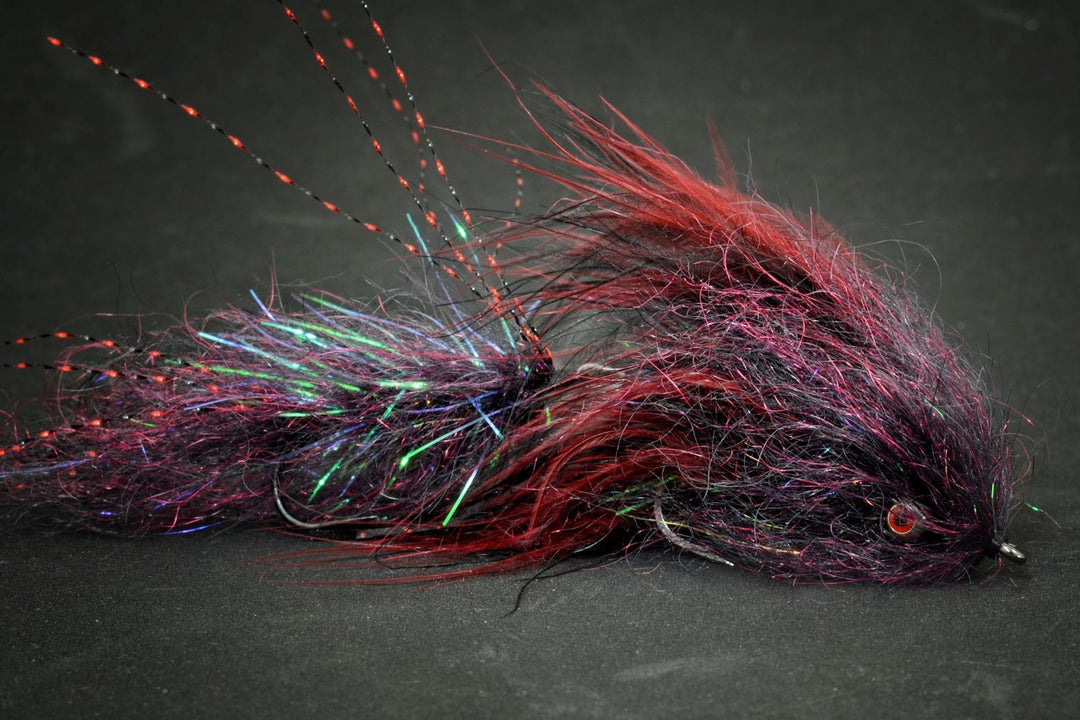
- Coffey's CH Sparkle Minnow — Sculpin Small sculpin/baitfish imitation — deadly in deeper runs and structure lanes.
- Sculpzilla — Olive Articulated/realistic sculpin profile for targeting larger holdover trout.
- Galloup's Slick Willy — Whitefish Good lifelike motion and profile — use for aggressive takes in winter afternoons.
Winter Drys & Small Surface Options (for calm spells)
- Parachute — Blue Wing Olive Small parachute that imitates sparse winter mayfly / midge clusters on the surface.
- Corn-fed Caddis (CDC) — Tan CDC caddis useful when you see sporadic surface activity near banks in warm pockets.
- No Mercy Para Midge — Black Parachute-style midge for tiny surface sipping — long leader and soft presentation.
- Pat's Midge Another solid choice for winter midge clusters and isolated surface sipping.
Rigs & Presentation (quick reference)
| Situation | Rig | Notes |
|---|---|---|
| Micro nymphing (euro) | Short, stiff leader + 0.8–1.5 m fluoro tippet, fly sizes #18–22 | Dead-slow drift, very short (or no) added weight; feel for subtle taps. |
| Indicator nymphing | 6–10 ft leader, indicator, 1–2 split shots, tandem nymphs | Lead with tungsten jig/nymph; keep the rig low and targeted into seams. |
| Streamer | Sink-tip or heavy-tipped line, 5–6 wt rod, single articulated streamer | Slow strip & pause through deep runs and near structure; focus on low-light. |
| Winter dry (rare) | Long (12–18') leader, 5X–6X tippet, tiny parachute/para-midge | Present to isolated sipping fish on calm, sunny windows. |
Short Checklist Before You Fish
- Check current Dillon Dam releases and local gauge for flow changes.
- Bring long leaders and spare 5X–6X tippet (ice and abrasion risk).
- Pack micro split shot, tungsten jigs, and a selection of size #18–24 midges/perdigons.
- Dress warm and plan short, focused sessions—target midday warm windows for best activity.