Davidson River Fly Fishing Report - April 4/12/2026
DAVIDSON RIVER FLY FISHING REPORT
Pisgah National Forest — Davidson River, NC
Report Date: April 12, 2026 | Next Update: April 19, 2026
Current River Conditions
Seasonal focus: early‑spring cold water. Prioritize deep/precise nymphing, slow, deliberate streamer presentations, and tight midge/BWO setups. Expect lethargic fish compared with summer — present subsurface flies at proper depth and keep streamer work slow.
Flows & Clarity
Flow: Moderate (typical spring runoff pattern) — expect slightly elevated but clear pockets.
Clarity: Generally clear to lightly stained in run sections; pockets and tailouts very fishable.
Flow: Moderate (typical spring runoff pattern) — expect slightly elevated but clear pockets.
Clarity: Generally clear to lightly stained in run sections; pockets and tailouts very fishable.
Water Temperature
Current: mid‑40s °F (≈ 6–8°C)
Trend: slowly rising through April but still cold — fish will key on subsurface food.
Current: mid‑40s °F (≈ 6–8°C)
Trend: slowly rising through April but still cold — fish will key on subsurface food.
Weather
Typical spring mix: cool mornings, warming early afternoons. Light breeze variable. Expect cooler water mornings; midge/BWO windows often late morning–midday.
Typical spring mix: cool mornings, warming early afternoons. Light breeze variable. Expect cooler water mornings; midge/BWO windows often late morning–midday.
Access & Parking
Main access points (Davidson River Campground, Bee Tree, East Fork area) normally open early season — check local road conditions. Expect popular sections to be busier on weekends.
Main access points (Davidson River Campground, Bee Tree, East Fork area) normally open early season — check local road conditions. Expect popular sections to be busier on weekends.
Regulations & Advisory
| Regulation Summary | Action |
|---|---|
| Davidson River lies within Pisgah National Forest and is managed under North Carolina trout regulations. Special trout rules / seasonal regulations may apply in specified reaches. | Check current NCWRC and USFS / Pisgah National Forest pages before you go for daily rules, special trout sections, and any temporary closures. If you intend to fish with a guide or fish special regulation areas, confirm the local regulations first. |
Hatch & Insect Activity (seasonal)
| Insect | Size | Activity | Prime Time |
|---|---|---|---|
| Midges (Chironomids) | #20–24 | High — key food source in early spring | All day; best mornings and low‑light windows |
| BWO / Baetis | #18–22 | Moderate — emergences and short dun bursts | Late morning to midday; watch for picky rises |
| Caddis (light) | #14–18 | Light — intermittent; do not count on heavy caddis unless locally noted | Late afternoon / evening (spotty) |
| Stoneflies / Salmonflies | N/A | Not a spring driver here — ignore heavy stonefly tactics unless you see a local hatch | N/A |
Recommended Fly Selections (seasonal, cold-water focus)
Priority: nymphs & small sub‑surface patterns (Euro/indicator), winter/spring midges, cautious BWO dries/emergers, and slow streamers. Links go to product pages for reference.
Nymphs (deep & Euro/indicator friendly)
- Egan's Thread Frenchie Jig - Olive — jigs for precise, tight nymphing (great as dropper or primary nymph)
- Pheasant Tail Tungsten — universal mayfly/nymph imitation; great for indicator rigs and Euro
- Egan's Frenchie — polished profile, versatile on indicator or tight nymph leader
- Roza's Spain Perdigon (Barbless) — slim, dense perdigon for fast sink and precise presentation in cold water
Midges (primary spring food)
- Black Zebra Midge (TBH) — go‑to for slow deep feeding fish
- Black Mirage Zebra Midge — tungsten options for tight indicator setups
- Top Secret Midge — small, subtle emerger/pupa profile for sight or indicator nymphing
- Jujubee Midge - Zebra — slim profile for Euro and indicator tactics
Streamers (slow, deliberate stripping)
- Coffey's CH Sparkle Minnow — Sculpin — ideal for slow strip near boulders and undercuts
- Sculpzilla - Olive — slow, bulky profile that triggers reaction strikes in cold water
- Sculpzilla - Natural — natural tones for pressured water
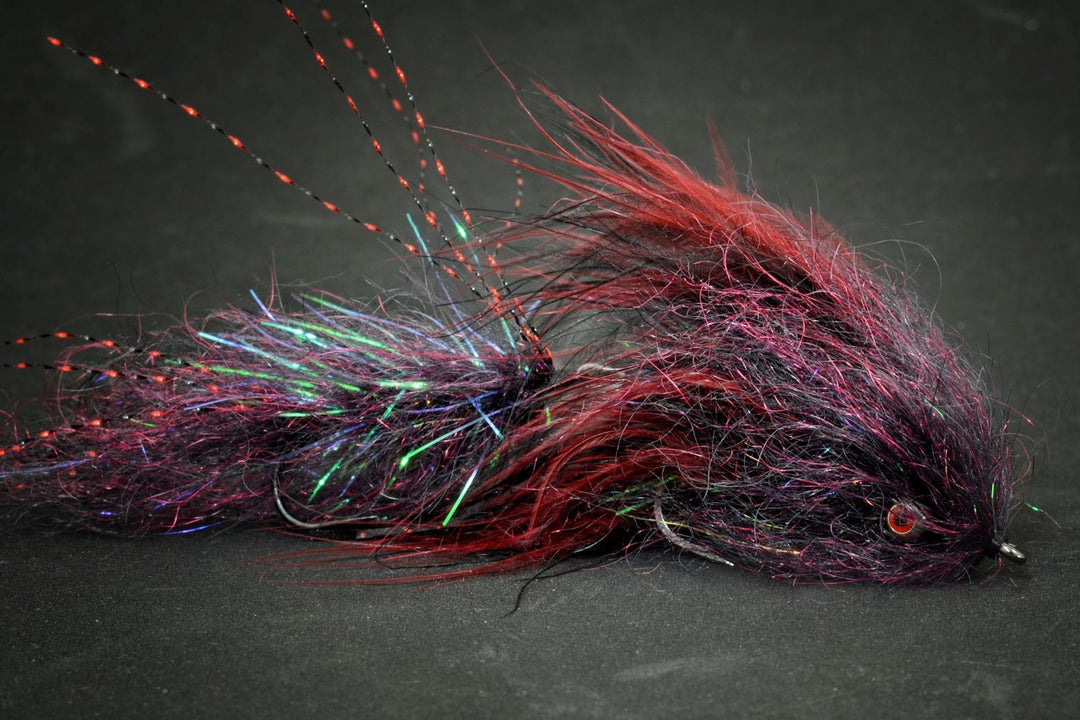
- Galloup's Dungeon - Olive — compact articulated option when fish want more life in the fly
Soft Hackles & Emergers (BWO windows)
- CDC Soft Hackle Tailwater Sowbug Jig — soft hackle motion for emerging mayfly/midge stages
- Soft Hackle Pheasant Tail Jig - Barbless — classic emerger/soft hackle action for picky fish
- Barr's Flashback Emerger - BWO — tight emerger for Baetis windows
- Antonio's Emerger - BWO — parachute/emerger option for surface‑looking rises
Tactics & Tips — Cold Water Playbook
Focus on depth, subtle presentation, and low‑energy retrieves. Below are practical, field‑tested approaches for April conditions on Davidson River.
Morning — Deep & Precise
- Start with a 3‑fly indicator rig: heavy/pearl tungsten nymph (anchor) 10–18" below the indicator, mid‑size pheasant tail or Frenchie as droppers. Aim flies to roll slowly through seams and tailouts.
- Indicator depth: fish the depth that keeps the anchor fly bouncing just off bottom. Use a strike indicator and shorten leader until you get consistent takes.
- Euro / tight‑line: if water is clear and tactical, use 10–12′ leaders with light expedition tippet and perdigon/nymphs (perdigons, Frenchie variants) to hold depth and get direct contact.
Midday — Midge & BWO Windows
- As the air warms, fish key pockets and slow tails for midge activity. Fish tiny zebra midge patterns under an indicator or on a dead‑drift rig with minimal split shot.
- On BWO or short mayfly activity switch to a small emerger or a parachute BWO. Fish very long leaders (12–14′ tapered) and light tippet (6–7X where conditions allow).
Streamer Strategy — Slow & Intentional
- Use a sink‑tip or intermediate line. Strip slowly: 1–3 short pulls with 2–3 seconds pause. Cold fish often follow; pauses provoke strikes.
- Target structure: undercuts, deep seams, and the head of pools. Heavy, fast stripping is not necessary — aim for a realistic, low‑energy presentation.
Leader, Tippet & Terminal Tactics
- Nymph setups: 9'–12' leaders with a 3–4′ tippet section for dropper rigs. Euro setups: short, direct leaders with small fluorocarbon tippets.
- Midges/BWO dries: long tapered leader, 7–10′ fine tippet (6–7X), and a polished presentation — keep slack out of your line.
- Streamers: 9'–10' heavy sinking tip or intermediate with 15–20lb fluorocarbon shock tippet if fishing heavy cover.
Quick Field Checklist
Essentials
- Nymph set: tungsten Frenchie, PTs, perdigons
- Midge selection: zebra midge variants (black/silver/olive)
- Small BWO dries/emergers
- Streamer: sculpin/mini minnow in olive/brown
- Nymph set: tungsten Frenchie, PTs, perdigons
- Midge selection: zebra midge variants (black/silver/olive)
- Small BWO dries/emergers
- Streamer: sculpin/mini minnow in olive/brown
Rods & Lines
- 3–6wt for nymph/dry work
- 6–8wt with sink‑tip for streamers
- Floating + sink tip/intermediate combos
- 3–6wt for nymph/dry work
- 6–8wt with sink‑tip for streamers
- Floating + sink tip/intermediate combos
Presentation Focus
Depth control, slow retrieves, soft strikes — act like an angler in a hurry to coax bites from cold trout.
Depth control, slow retrieves, soft strikes — act like an angler in a hurry to coax bites from cold trout.