
Montana ·
Gallatin River Fly Fishing Report - May 31, 2026

GALLATIN RIVER
ReportMAY 31 — JUN 7, 2026
🌊
Flow
2900CFS
Gallatin River near Gallatin Gateway, MT
🌡️
Water Temp
—
Updated 2026-05-30
☀️
Weather
37–64°F
Rain
💧
Clarity
Clear
Check post-storm
The Gallatin is running elevated at 2,900 cfs and 3.84 ft gauge height (USGS, Gallatin Gateway) — a classic late-May runoff pulse that pushes trout off the main current and into soft-water edges. Incoming rain through Sunday will keep flows up and skies overcast, which is actually ideal for BWO and caddis surface activity in the upper canyon.
What's Working — Hot Flies

Tungsten Pat's Rubber Legs - Tan & Brown
#6

Olsen's Straggle Stone Brown Barbless
#12

Egan's Thread Frenchie Jig - Olive
#12

Roza's World Spain Perdigon Barbless
#18

Top Secret Baetis
#16

Pheasant Tail Tungsten
#20

Wiggly Worm (TBH)
#8

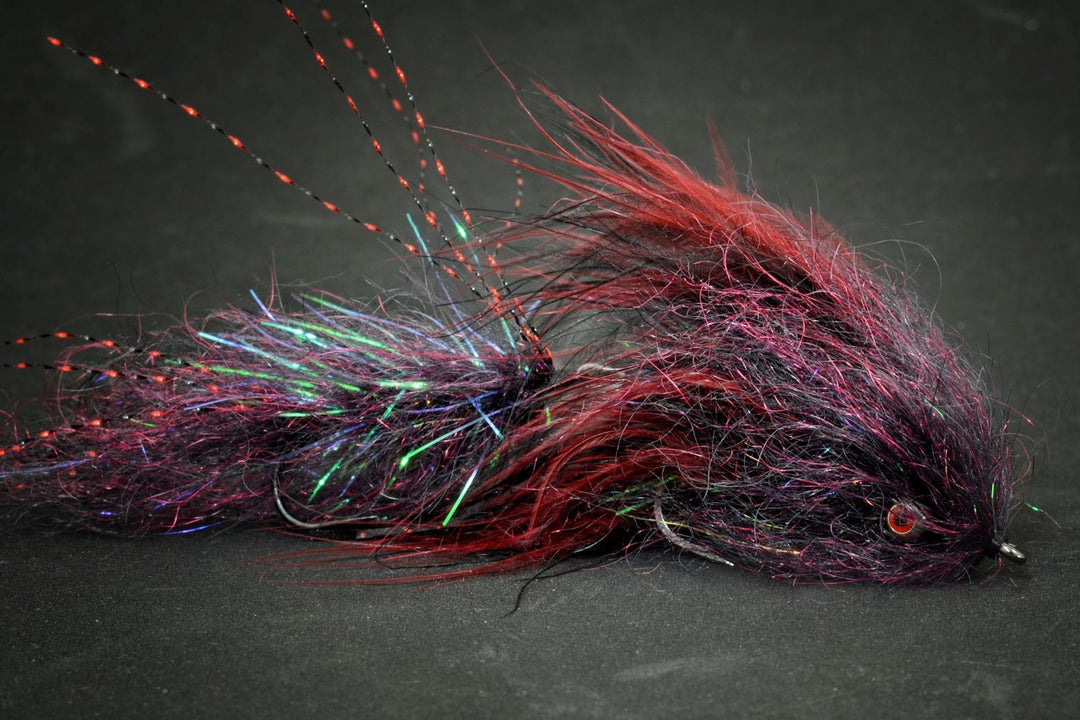
Coffey's CH Sparkle Minnow Sculpin
#6

Joe's Mini Crayfish Jig
#6

Parachute - Blue Wing Olive
#22

Corn-fed Caddis (CDC) Tan
#20

Egan's Warrior Perdigon - Rainbow
#12
Hatch Chart
| Insect | Size | Activity | Prime Time |
|---|---|---|---|
| Mother's Day Caddis | #14–16 | Active — best on clear-water stretches and lower canyon edges | Mid-morning to afternoon |
| Blue-Winged Olive (Baetis) | #18–22 | Moderate — overcast skies and rain will trigger strong emergences | Late morning to early afternoon |
| March Brown | #14–16 | Sporadic — watch for opportunistic rises in slower seams | Midday |
| Golden Stonefly (nymph) | #8–12 | Building subsurface — adults not yet flying, nymphs migrating | All day |
| Midge | #20–24 | Consistent in back eddies and slower pools | Morning and evening |
| Little Black Stonefly | #14–16 | Tapering off — nymphs still productive subsurface | Morning |
Best Time Window
- Late morning to early afternoon (10 AM – 1 PM) — peak BWO and caddis emergence window, especially under the overcast skies forecast through Sunday
- Midday (11 AM – 2 PM) on Monday — partly sunny with temps near 64°F; brief clearing may stabilize flows and trigger the best surface activity of the weekend
- Early morning (7–9 AM) — midge and stonefly nymph window in slower back eddies before wind picks up; streamer fishing along banks most productive in low light
Guide's Tip
From the benchAt 2,900 cfs the Gallatin is in full runoff mode — don't fight the main current, work around it. Target the upper canyon above Taylor Fork where clarity holds best, and focus every cast on the soft water: inside bends, back eddies, pockets behind boulders, and the first 3 feet off the bank. Set your indicator deep (4–5 feet) and mend aggressively to keep your anchor fly in the strike zone. The incoming rain and overcast skies through Sunday are actually your friend — watch for BWO and caddis rises in the slower upper pools during midday, and be ready to switch to a dry fly quickly when fish start looking up.
Main Species
Brown Trout
Rainbow Trout
Westslope Cutthroat Trout