Idaho ·
Henrys Fork Fly Fishing Report - October 4, 2026

HENRYS FORK
ReportOCT 4 — 11, 2026
🌊
Flow
159CFS
HENRYS FORK NR ISLAND PARK ID
🌡️
Water Temp
—
Updated 2026-10-03
☀️
Weather
36–75°F
Mostly Clear
💧
Clarity
Clear
Check post-storm
Flow is running at 159 cfs with a gauge height of 2.48 ft — down from 188 cfs just a week ago, leaving the Henry's Fork gin-clear and the fish on high alert. Expect a bluebird day topping out near 75°F with light ESE winds, which will push the best dry fly action into the midday and early afternoon window when Mahogany Duns and BWOs get moving.
What's Working — Hot Flies

Parachute - Blue Wing Olive #22
#22

Juju Baetis Tungsten #22
#22

Top Secret Baetis #16
#16

Egan's Silver Bullet - Baetis #14
#14

Olsen's Hare's Ear Blowtorch Barbless #20 - 28
#20

Roza's World Spain Perdigon Barbless #18 - 32
#18

Corn-fed Caddis (CDC) Olive #20
#20

Black Zebra Midge(TBH) #20
#20

Egan's Thread Frenchie Jig - Olive #12
#12

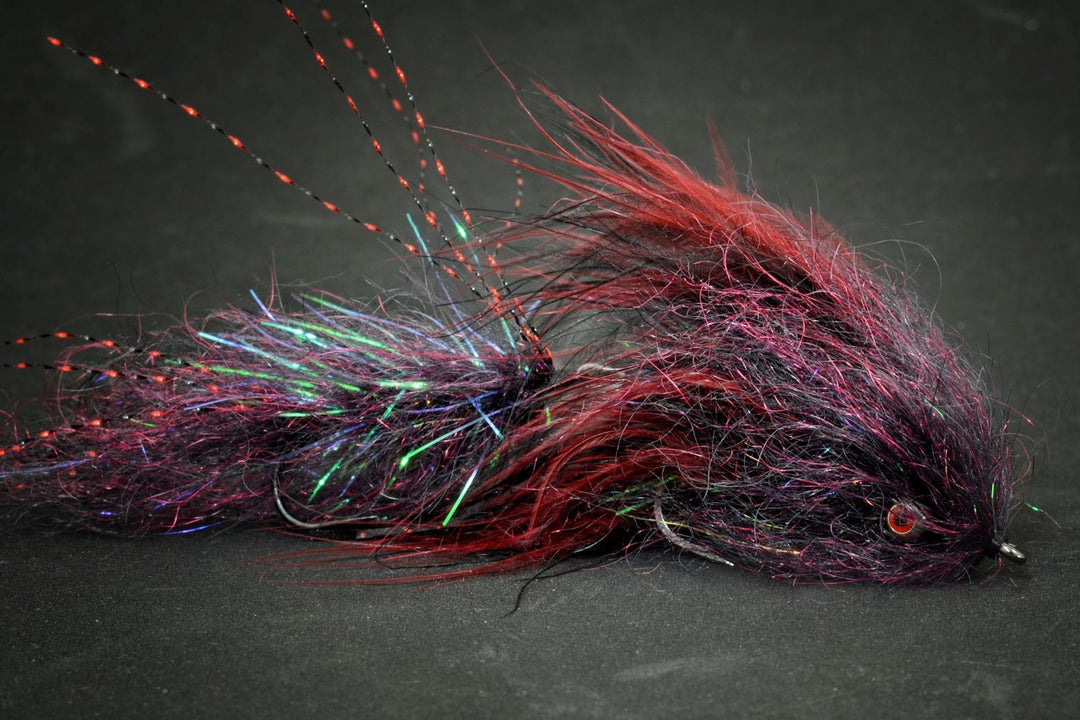
Coffey's CH Sparkle Minnow Sculpin #6
#6

Tungsten Jig Bugger - Olive - Barbless #14
#14

Olsen's Pheasant Tail Nymph Doppleganger Brown Barbless #24 - 20
#20
Hatch Chart
| Insect | Size | Activity | Prime Time |
|---|---|---|---|
| Mahogany Dun (Isonychia/Paraleptophlebia) | 14-16 | Moderate | 11 AM - 2 PM |
| Blue-Winged Olive (Baetis) | 20-22 | Moderate | 12 PM - 3 PM |
| Midge | 20-24 | Light | 8 AM - 10 AM |
| Caddis | 18-20 | Light | 3 PM - 6 PM |
| Sculpin / Baitfish (streamer) | 4-6 | Light | 7 AM - 9 AM |
Best Time Window
- 7 AM - 9 AM: Low-light streamer and big nymph window — work the deep channel edges and undercut banks for trophy browns before the sun hits the water.
- 11 AM - 2 PM: Prime dry fly time as Mahogany Duns and BWOs get moving in the warming midday air; target visible risers in the flat tailouts with precise upstream presentations.
- 3 PM - 6 PM: Late-afternoon caddis activity picks up along the grassy banks; stay patient and watch for opportunistic surface feeding as the light drops and fish relax their guard.
Guide's Tip
From the benchAt 159 cfs the Henry's Fork is running low and gin-clear — these fish have seen pressure all season and will spook at a heavy footfall or a sloppy cast. Stay low, wade slowly, and position yourself well downstream of your target before you ever pick up the rod. Fish a 12-14 foot leader tapered to 6X or 7X for your dry fly work, and give rising fish at least 3-4 feet of drag-free drift before the fly reaches them. During the midday Mahogany and BWO window, focus on the flat, glassy tailouts of pools where you can spot individual risers and make targeted presentations rather than blind-casting through runs.
Main Species
Rainbow Trout
Brown Trout
Yellowstone Cutthroat Trout