
Idaho ·
Henry's Fork Fly Fishing Report - April 4/12/2026
HENRY'S FORK OF THE SNAKE RIVER FLY FISHING REPORT
Eastern Idaho — Spring Cold-Water Strategies
Report Date: April 12, 2026 | Next Update: April 19, 2026
Regulations & Access
I checked current public regulations for the Henry’s Fork — the river is open to angling today (04/12/2026). Anglers must follow Idaho Fish and Game statewide rules and any local special regulations (seasonal closures, artificial‑lures or barbless hooks on specific stretches). Always verify the latest emergency closures or special regs before you fish; the recommendations below assume the river is open.
Current River Conditions
Flows & Clarity
Flow Rate (approx): 800–1,600 CFS (spring releases & snowmelt influence)
Water Clarity: Variable — generally clear to light tea (2–5 ft visibility) in tailwaters; stained in runoffs
Flow Rate (approx): 800–1,600 CFS (spring releases & snowmelt influence)
Water Clarity: Variable — generally clear to light tea (2–5 ft visibility) in tailwaters; stained in runoffs
Water Temperature
Current: 38–45°F (3–7°C)
Daily Range: Cold mornings; slow afternoon warm-up
Trend: Gradual warming — fish still primarily in cold‑water feeding modes
Current: 38–45°F (3–7°C)
Daily Range: Cold mornings; slow afternoon warm-up
Trend: Gradual warming — fish still primarily in cold‑water feeding modes
Weather & Conditions
Forecast: Cool spring weather — days with sun interspersed with clouds and chances of showers or snow at higher elevation
Wind: Light–moderate winds possible; try sheltered seams on breezy days
Forecast: Cool spring weather — days with sun interspersed with clouds and chances of showers or snow at higher elevation
Wind: Light–moderate winds possible; try sheltered seams on breezy days
Access & Roads
Most public access points are open; some higher‑elevation approach roads may be wet or muddy. Park legally and respect private property.
Most public access points are open; some higher‑elevation approach roads may be wet or muddy. Park legally and respect private property.
What the Fish Are Doing (Spring)
| Insect / Prey | Size | Activity Level | Prime Time |
|---|---|---|---|
| Midges (all life stages) | #18–24 | High — trout key on sub‑surface buzzer activity | All day (low, steady takes mornings/evenings) |
| BWO / Baetis (small mayflies) | #18–22 | Moderate — morning to midday drifts and emergers | Late morning to early afternoon |
| Small Caddis (pupa/emerger) | #14–18 | Light — pockets and slower margins | Evenings and on cloudy days |
| Baitfish & sculpin activity | streamer sizes #4–8 | Moderate — trout follow deeper runs and structure | Throughout the day; best in low light and cloudy windows |
Recommended Flies — Seasonal, Cold‑Water Focus
This period is prime for subsurface tactics: heavy nymphs and Perdigons, tight euro setups, winter/spring midge rigs, and slow, deliberate streamer work. Below are high‑confidence patterns (links go to supplier entries).
Nymphs & Euro/Indicator (deep and tight presentations)
- Roza's World Spain Perdigon — Barbless (Perdigon/euro tight, excellent for Baetis/midges)
- Egan's Thread Frenchie Jig — Olive (soft hackle/jig — great as an anchor or dropper)
- Pheasant Tail Tungsten (classic point nymph; micro sizes for deep takes)
- Egan's Frenchie (attractor/point nymph for colder water feeding)
- Tungsten Pat's Rubber Legs — Tan & Brown (go‑to for deeper stonefly/robust nymph presentations when fish are pinned to the bottom)
- Roza's Black Perdigon — Barbless (small, dense perdigon for picky spring fish)
Midges / Winter‑style Midges (match the buzzer zone)
- Black Zebra Midge (TBH) — (excellent indicator/dropper and tight euro use)
- Top Secret Midge — (small midge for indicator rigs and emerger tactics)
- Jujubee Midge — Olive — (tough little midge for subsurface sipping trout)
- Bling Midge — Black — (sparkle and profile for late‑season/picky fish)
BWO / Small Mayfly Dry & Emergers
- Parachute — Blue Wing Olive — (parachute BWO for sight‑feeding in calm pockets)
- Antonio's Adult BWO — (realistic adult imitations for surface sipping trout)
- Barr's Flashback Emerger — BWO — (goes sub‑surface in the film where emergers live)
- Stealth Link Mercer — BWO — (slim emerger/perfect parachute variant)
Streamers (slow retrieves, deep runs & structure)
- Egan's Poacher — Olive — (jig/streamer hybrid; great for slow strips and jigging in deep runs)
- Coffey's CH Sparkle Minnow — Sculpin — (sculpin profile for large fish holding on structure)
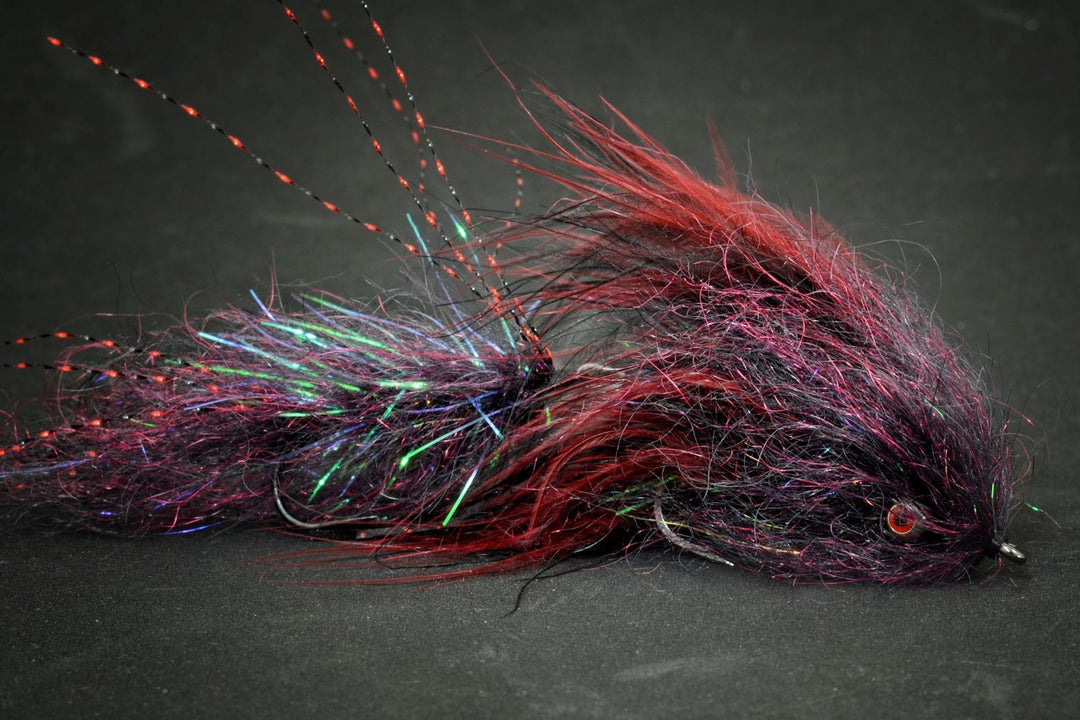
- Sculpzilla — Olive — (articulated sculpin for slow, realistic movement)
- Coffey's Articulated Sparkle Minnow — Sculpin #4 — (big baitfish/sculpin imitation for deep pools)
Soft‑hackles, Sowbugs & Supporting Patterns
- Soft Hackle Pheasant Tail Jig — Barbless — (subtle, lifelike movement in slow water)
- CDC Soft Hackle Tailwater Sowbug Jig — Rainbow — (top soft‑hackle tow/indicator options)
- Tungsten Split Case Nymph — PMD — (heavy emergent profile for deep presentations)
- Tungsten Pat's Rubber Legs — Tan & Brown — (big, weighty nymph for deep pocket feeding)
Tactics & Tips — Cold‑Water Focus
Priority tactics:
- Deep nymphing / Euro: Short, heavy leaders with tungsten Perdigons and small droppers. Aim flies tight to the bottom in seams and tailouts. Use 0.6–1.5m tungsten bead sizes depending on current.
- Indicator / Czech rigs: Fish a large tungsten point fly and a small midge or PT dropper under a small indicator in soft seams and pocket water. Long leaders (8–12') and thin tippet (4–6X) for picky fish.
- Midge tactics: Fish small zebra midges and jig zebra patterns on droppers or as an anchor in a two‑fly buzzer rig. Try ultra‑slow presentations and micro‑pauses where fish hover in the film.
- Streamers: Slow, deliberate strips and pauses — focus the retrieve on deep seams, bend tails, and tailouts. Use 6–10 ft sinking tips or weighted streamers (jigging motion) and watch for short, aggressive follows.
- BWO/emerger windows: On calm mornings or late afternoons, switch to small emergers and parachute BWOs fished dead‑drift through seams and pocket water. A soft hackle or emerger under an indicator can be deadly.
- Rigging: For euro nymphing use fluorocarbon point tippets (0.12–0.18mm) and clean, fluoro droppers. For indicator nymphing, run a 9–14' leader with long tippet lengths to the dropper(s). For streamers, go 6–8 lb straight fluorocarbon or braided leader for turnover.
- Deep nymphing / Euro: Short, heavy leaders with tungsten Perdigons and small droppers. Aim flies tight to the bottom in seams and tailouts. Use 0.6–1.5m tungsten bead sizes depending on current.
- Indicator / Czech rigs: Fish a large tungsten point fly and a small midge or PT dropper under a small indicator in soft seams and pocket water. Long leaders (8–12') and thin tippet (4–6X) for picky fish.
- Midge tactics: Fish small zebra midges and jig zebra patterns on droppers or as an anchor in a two‑fly buzzer rig. Try ultra‑slow presentations and micro‑pauses where fish hover in the film.
- Streamers: Slow, deliberate strips and pauses — focus the retrieve on deep seams, bend tails, and tailouts. Use 6–10 ft sinking tips or weighted streamers (jigging motion) and watch for short, aggressive follows.
- BWO/emerger windows: On calm mornings or late afternoons, switch to small emergers and parachute BWOs fished dead‑drift through seams and pocket water. A soft hackle or emerger under an indicator can be deadly.
- Rigging: For euro nymphing use fluorocarbon point tippets (0.12–0.18mm) and clean, fluoro droppers. For indicator nymphing, run a 9–14' leader with long tippet lengths to the dropper(s). For streamers, go 6–8 lb straight fluorocarbon or braided leader for turnover.
Quick Spring Game Plan
- First light: tight euro nymph rigs with a heavy Perdigon or tungsten Frenchie anchor, small zebra midges as droppers.
- Mid-morning: look for Baetis/BWO activity — switch to emergers/parachute BWO in likely seams.
- Cloudy windows / low light: slow streamer work along deeper runs and structure; concentrate on deep tails and foam seams.
- Evening: indicator rigs with a heavy point nymph and a small emerger or midge dropper; soft hackles where fish are sipping subsurface.
Local Notes & Safety
Cold‑water reminder
Hypothermia risk is real in April. Dress in layers, bring a dry change of clothes, and wear a wading belt. Flotation when wading deeper runs is recommended.
Hypothermia risk is real in April. Dress in layers, bring a dry change of clothes, and wear a wading belt. Flotation when wading deeper runs is recommended.
Streamflow caution
Spring releases and sudden runoff can change currents quickly. If the river rises or becomes heavily stained, move to slacker water and fish deeper with heavier tungsten offerings.
Spring releases and sudden runoff can change currents quickly. If the river rises or becomes heavily stained, move to slacker water and fish deeper with heavier tungsten offerings.