Kenai River Fly Fishing Report - January 1/18/2026

Fly Fishing Report

KENAI RIVER FLY FISHING REPORT

Alaska's Kenai Peninsula — Salt & Freshwater Opportunity

Report Date: January 18, 2026  |  Next Update: January 25, 2026

Current River Conditions

The Kenai River remains closed to fishing for the protection of returning salmon and regulation schedules; the State of Alaska typically opens the main river for angling in June. Use this mid‑winter window to scout, tie, and fish nearby stillwaters and stocked lakes around Soldotna and the Peninsula.
Regulation & Status
Kenai River (main stem) — closed to angling at this time. Anticipated reopening: mid‑June (check ADF&G for final dates & emergency notices).
Ice & Access
Main river flows are open channels—do not attempt to walk on river ice. Many smaller lakes and ponds near Soldotna have safe winter access on packed trails; verify local conditions before heading out.
Water & Air
Typical January water temps on peripheral lakes: near freezing (around 32°F). Air temps range from single digits to below zero°F some mornings — dress in layers and plan for wind and short daylight.
Best Alternatives Today
- Stillwater fly tactics (chironomids, small jig nymphs, tiny leeches)
- Stocked rainbow trout lakes around Soldotna & Sterling
- Stream sections open for ice‑free water (local reports vary)

Winter Hatch & Food Activity (Jan 18)

Insect / Food Type Presence When to Fish
Midges / Midges Pupae Chironomids / Midge Primary food on many lakes — active under ice edges and open water All daylight hours; focus shallow dropoffs and barren flats
Scuds & Small Shrimps Crustacean Common in stillwaters and slow pockets Use balanced scuds and small nymphs near weedlines
Leeches & Small Baitfish Macrofood Present in productive lakes; trout key into leeches in winter Retrieve slow jig streamers or balanced leeches along dropoffs
Terrestrials Ants / Beetles Occasional on warm midday; more a spring/summer factor Limited now — keep a couple of terrestrials for nearshore takes

Tactics & Strategy

- If you must be on the Kenai system in winter, stay off river ice and follow local public-safety channels.
- For productive mid‑winter outings target stocked lakes and open bays: fish deep edges, soft‑bottom flats and any open water where midges and scuds concentrate.
- Nymph rigs, small tungsten jigs, and balanced leeches win winter days. Slow retrieves and subtle twitches produce better than fast stripping.
- Keep leaders fine (6–8X tippet) for naturals like midges; use sturdier tippet for swinging larger balanced leeches and streamers.

Recommended Patterns — Matched To What Works Here

Below are patterns chosen for Kenai‑area winter and early‑season prep. Links go directly to the fly pattern so you can inspect or order. I’ve grouped them by tactic and explained when to reach for each one.

Dry Flies & Terrestrials (use on open-water edges & warm days)

Nymphs & Jigged Nymphs (primary winter tool)

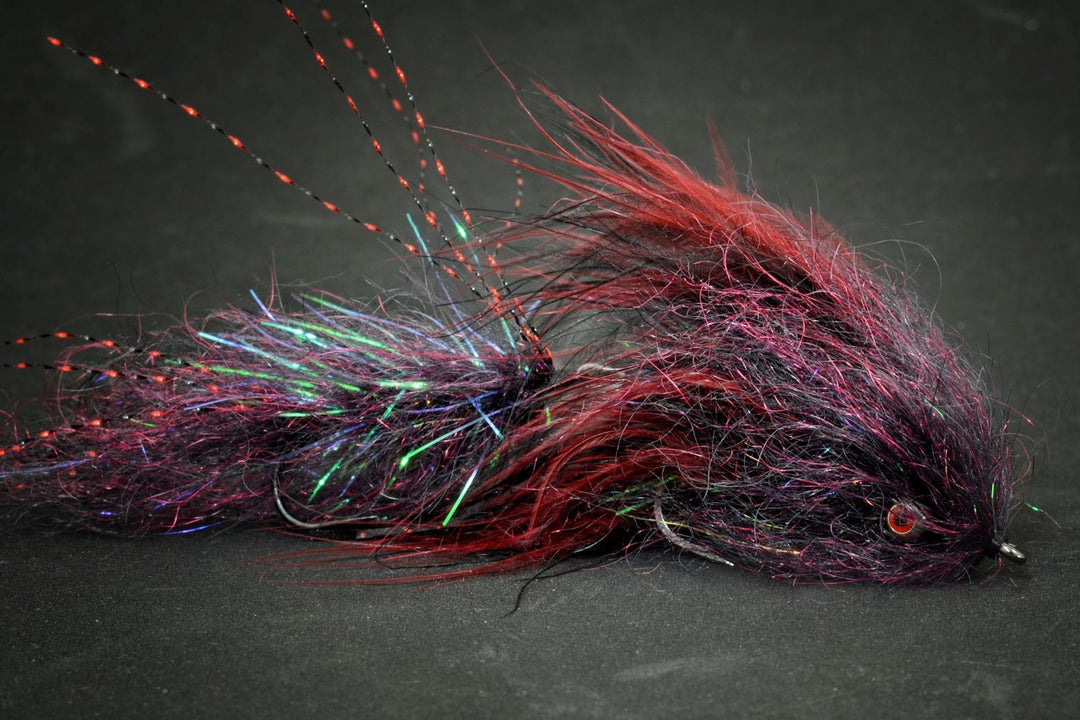
Streamers, Leeches & Bigger Profiles (for aggressive fish / deep water)

Eggs & Dirty Flies (early spring/salmon prep and bank fishers)

How to Fish These Patterns — Quick Field Notes

  • Small nymphs & tungsten jigs: Fish on light lines with subtle twitches. Depth and drift are everything mid‑winter — get the fly where the fish are holding (dropoffs/weed edges).
  • Balanced leeches & streamers: Slow swings or dead‑drifts with soft strips. When fish are inactive, even tiny movement can trigger lethargic follows to strike.
  • Dry/emerger options: Best on milder January afternoons or on stillwater pockets near open stream inlets; keep dries small and sparse.
  • Egg presentations: Early spring will reward egg patterns near spawning tributaries and stocked lakes — use a short leader and slow, short hops.

Scouting & Planning for the Season

Use this downtime to: - Check updated ADF&G Kenai River announcements for official reopening dates and emergency rules.
- Stock and organize tippet selections: 6–8X for dries/emergers, 3–5X for streamers/leeches.
- Replenish tungsten jigs and balanced leeches — winter tactics rely on weight and patience.
- Book guides and float time well ahead of June — the Kenai draws heavy demand when open.