Klamath River Fly Fishing Report - January 1/4/2026
KLAMATH RIVER — WINTER FISHING REPORT
Systemwide conditions & steelhead outlook
Report Date: January 4, 2026 | Next Update: January 11, 2026
Current River Conditions
Winter steelhead are the primary focus right now. Expect deeper, colder-water presentations — use weight and slow, deliberate drifts. Water temperatures are holding in the mid-to-upper 40s°F, and fish are generally slower but responsive to well-presented nymphs and medium-slow streamer work.
Water Temperature
Typical readings: 45–49°F (7–9°C)
Winter pattern: fish sit deeper and are less reactive to fast presentations.
Typical readings: 45–49°F (7–9°C)
Winter pattern: fish sit deeper and are less reactive to fast presentations.
Flows & Clarity
Flows are at winter base levels and can vary by reach — expect pockets of tannic color after any recent rain; many popular runs are fishable, but fish are holding deeper behind structure.
Primary Species
Winter steelhead are the target. Late-arriving salmon are beginning to push in some years (watch upstream movement), but focus on steelhead tactics now.
Access & Safety
Bank and road conditions vary; wear traction and plan for cold, wet wading. Let someone know your plans and check local closures or advisories before heading out.
Hatch Chart & Insect Activity (early January)
| Insect / Food | Size | Activity | Best Time |
|---|---|---|---|
| Midges & Chironomids | #18–24 | Active — primary winter food | All day (low, steady rises when calm) |
| Baetis / Small Mayfly Emergers | #18–22 | Sporadic — colder days suppress surface activity | Midday on mild afternoons |
| Cased Caddis / Pupae | #14–18 | Occasional subsurface picks — useful as jigged nymphs | Late morning–afternoon |
| Terrestrials & Eggs | various | Eggs and subsurface worms become important near fish holding pockets | Anytime fish are holding in runs |
Recommended Fly Types (what to tie on)
- Nymphs & Jigs: Tungsten jigs, Perdigons and frenchie-style jigs for tight, deep presentations.
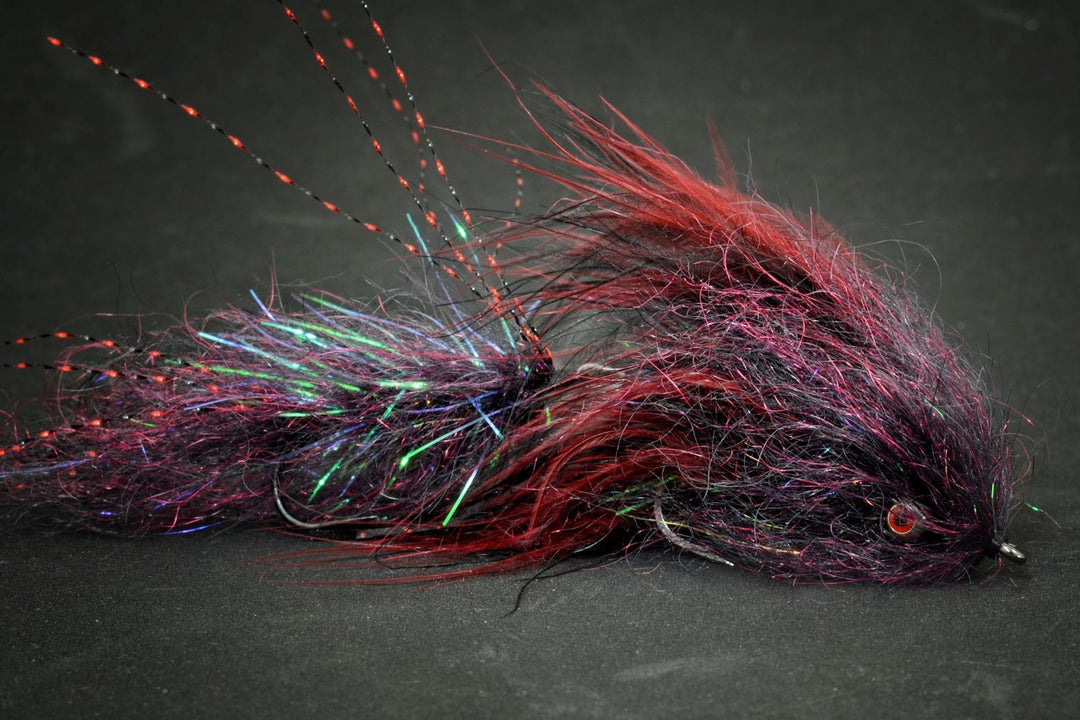
- Streamers: Compact sculpin/baitfish streamers and leech-style patterns fished slowly on a swing or strip.
- Midges / Winter emergers: Zebra midge variants, micro-perdigons, small beadhead emergers for picky winter fish.
- Eggs & Worms: Soft, buoyant eggs and worm imitations in natural orange/pink/salmon tones for fish keyed on eggs or fry.
- Soft hackles / swung nymphs: Soft-hackle and soft-bodied nymphs fished on slightly longer leaders for subtle presentations.
Top Fly Selections (reachable online)
Nymphs & Jigs (best presentations for winter steelhead)
- Egan's Thread Frenchie Jig — Olive — a subtle, fish-friendly jig that rides hook point up and gets down quickly for deep-holding fish.
- Egan's Frenchie — classic tungsten-style nymph useful on indicator rigs and Euro setups.
- Pheasant Tail Tungsten — dependable mayfly/baetis imitation with weight to reach holding lanes.
- Tungsten Dart — Red — compact, heavy dart-style nymph that triggers grabs when fished in the strike zone.
Streamers & Baitfish Imitations
- Egan's Poacher — Olive — a great jig-streamer for fishing close to structure on a slow strip or swing.
- Egan's Poacher — Black — darker profile for low-light or stained-water conditions.
- Coffey's CH Sparkle Minnow — Sculpin — sculpin profile that sells strikes in winter; work it along the bottom near runs.
- Sculpzilla — Olive — articulated-style sculpin for slow, enticing motion in deep runs.
Midges, Zebra Midges & Winter Emergers
- Black Zebra Midge (TBH) — a winter staple fished tight under an indicator or on a euro rig.
- Black Mirage Zebra Midge — another excellent small bead option for cold, selective fish.
- Top Secret Midge — simple, effective midge for indicator or jig applications.
- Bling Midge — Black — a modern midge with a touch of flash for low-visibility situations.
Eggs, Worms & Soft Baits
- Sunny Side Up — Fluorescent Orange — bright egg pattern that draws attention in cold water.
- EZ Egg — Flesh (Barbless) — soft, buoyant egg imitation for slow, tempting presentations.
- EZ Egg — Fluorescent Sunburst (Barbless) — another egg option in cold-water colors.
- Olsen's Tungsten Taco Egg — Sockeye Pink — weighted egg for getting down to where fish are holding.
Soft Hackles & Swinging Nymphs (subtle, trigger presentations)
- Soft Hackle Pheasant Tail Jig — Barbless — excellent swung or dead-drifted just below the surface.
- CDC Soft Hackle Tailwater Sowbug Jig — Rainbow — soft-hackle action with a nymph profile for indicator or euro rigs.
- Duracell Bomb — Pheasant Tail — soft-bodied attractor that fishes well on short leaders and swings.
- Soft Hackle — Hare's Ear (Barbless) — classic pattern to imitate emerging mayflies and soft-bodied nymphs.
Tactics & Quick Setups
- Nymphing (indicator or Euro): run a heavy nymph or tungsten jig on the point with a slightly lighter trailing fly or dropper 12–30" above. Shorten leaders and slow retrieves — winter fish are sluggish.
- Euro Line Setups: use a stiffer, heavier leader/filament and small, dense perdigons or frenchie jigs to get into the strike zone fast.
- Streamers: long leaders (6–8') with a sink-tip or full sinking line in deep runs. Slow strips and pauses — fish often follow and take on the stop.
- Indicator Rig Recipe (starter): 9–10' 3X–4X tippet to an indicator, 18–30" to a tungsten jig; add a 24–36" dropper to a trailing nymph if water is deeper.
- Strike indicators: use small, subtle indicators (pea and small bubble) in clear winter water — big foam indicators often spook easier fish.
- Euro Line Setups: use a stiffer, heavier leader/filament and small, dense perdigons or frenchie jigs to get into the strike zone fast.
- Streamers: long leaders (6–8') with a sink-tip or full sinking line in deep runs. Slow strips and pauses — fish often follow and take on the stop.
- Indicator Rig Recipe (starter): 9–10' 3X–4X tippet to an indicator, 18–30" to a tungsten jig; add a 24–36" dropper to a trailing nymph if water is deeper.
- Strike indicators: use small, subtle indicators (pea and small bubble) in clear winter water — big foam indicators often spook easier fish.
Where to Fish & Reading Water
- Target tailouts, seams and deep pocket water where current slows against structure — steelhead stack in those deeper seams.
- Look for cut banks, the tail of riffles and the heads of deep runs; these are favorite winter ambush points.
- When visibility is low, work the inside seams close to structure with heavier presentations; when clear, fish will key to smaller midges and subtle nymphs.
Regulations & Notes
Important: Winter steelhead regulations and reporting requirements change frequently. Carry the appropriate anadromous fishing permits and check California and Oregon fishery pages for current closures, bag limits and reporting rules before you go.
Short-Term Outlook
Expect consistent winter behavior over the next week: fish deep, move slowly and prioritize nymph/jig and slow-streamer approaches. Any warm spells or heavy rain can rearrange holding fish and temporarily color the water — in those windows try bigger, darker streamers and heavier jigs.
Local Tips from Guides
- Be patient: winter fish take longer to commit — give each drift or swing a full read.
- When you get a follow, make the next presentation slightly slower or add subtle twitching.
- Keep a few different sizes/colors of midge/zebra midges — on bright, calm days small, pale emergers often win; on dark or stained water larger, darker beadheads do better.