Lamar River Fly Fishing Report - December 12/3/2025

South Fork of the Snake River Fly Fishing Report

LAMAR RIVER FLY FISHING REPORT

Yellowstone National Park — Lamar Valley

Report Date: December 3, 2025  |  Next Update: May 22, 2026

Current River Conditions

Seasonal Status: The Lamar River is closed to angling for the general fishing season. Yellowstone National Park's rivers in the Lamar drainage are under seasonal closure for trout protection in winter—plan around park regulations and check with park rangers before travel.
Closure Details
Status: Closed to fishing (seasonal closure, typical through late spring)
Park Rule: Follow posted closures and consult Yellowstone National Park for exact opening dates (season usually re-opens on the Saturday of Memorial Day weekend).
Water & Weather
Water Temp: Near freezing to low 30s °F (0–3°C) in December
Surface: Cold, low insect activity; occasional open water pockets depending on weather
Weather: Winter conditions — snow, cold nights; expect limited access and icy trailheads.
River Conditions
Flows: Typical base flows for winter (variable) — watch for sudden changes from upstream releases or heavy rain/snowmelt events.
Clarity: Usually clear; cold clear water increases trout wariness.
Access & Safety
Roads: Sections may be snow-covered. Vehicle chains & winter gear recommended.
Wildlife: Lamar Valley is prime winter range for wolves, bison, elk and still-used by bears—stay alert and carry required safety gear.
Permits: No fishing permitted while river is closed—violations enforced.

What This Means Practically

Because the river is closed, the actionable guidance here is planning and preparation. Use this downtime to refine winter tactics for year-round waters nearby, tune your rigs, and restock patterns that work in cold-water conditions. If you must get on water outside Yellowstone, aim for rivers and stretches that remain open year-round (for example, the Madison and Gardiner sections where allowed) and always verify local regulations.

Winter Insect & Fish Activity (December)

Insect / Food Activity Notes for Anglers
Midges Low–Moderate Midges are the primary winter food — fish often key on subsurface pupae and emerger drift on warmer afternoons.
Larvae / Worms / Eggs Occasional Gravel runs and deep pools hold worms and egg pockets; subtle, slow presentations win.
Streamers / Baitfish Opportunistic Large trout (when present and active) will take slow-stripped streamers in deep runs and near structure.

Recommended Flies (Winter & Year‑Round Alternatives)

Below are winter-focused patterns that match the flies in the supplied fly sheet. If you fish open, year‑round sections (Gardiner, Madison, private waters), these are excellent choices. Each pattern links to the exact fly entry in your fly inventory.

Pattern Use Source Link
Black Zebra Midge (small, beadhead) Midge pupa/emerger — indicator or euro nymphing (sizes #18–22) Black Zebra Midge
Redneck Midge Winter midge imitations for the dropper or point fly Redneck Midge
Tungsten Split Case Nymph - BWO / PMD variants High-density nymph for euro/indicator rigs — great for deep winter pockets Split Case - BWOSplit Case - PMD
Pheasant Tail Tungsten Go-to classic nymph — versatile as a point fly under an indicator or in euro rigs Pheasant Tail Tungsten
Tungsten Pat's Rubber Legs Heavy stonefly / attractor nymph — fish deep seams and runs when trout hold low Tungsten Pat's Rubber Legs
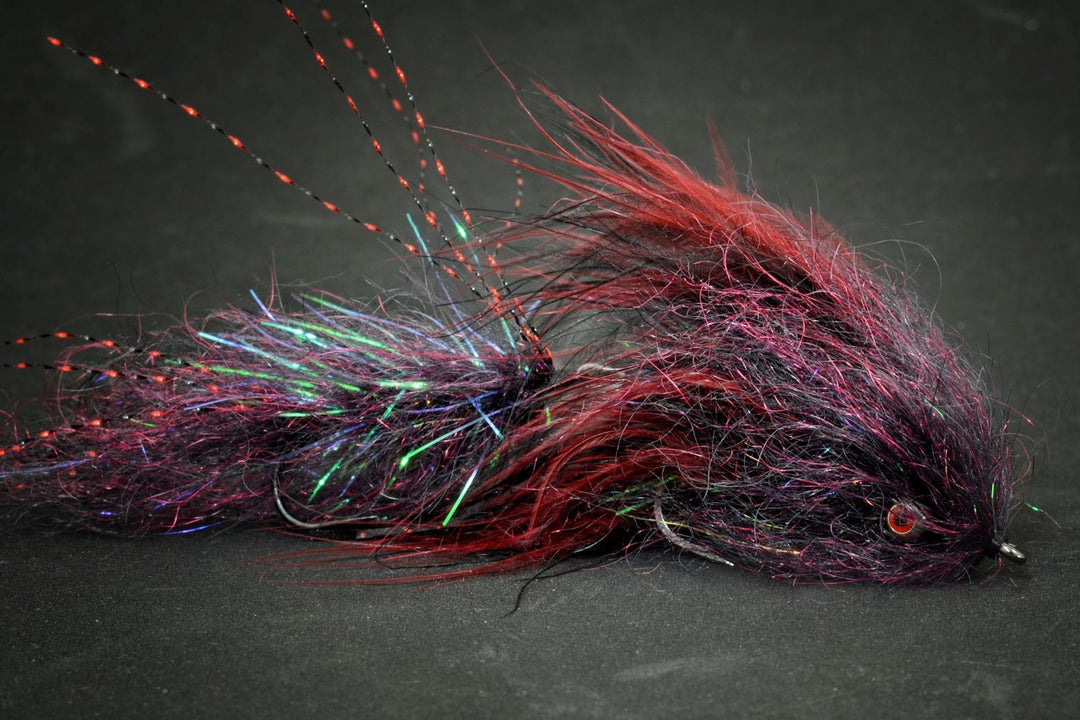
Cheech Leech (Black / Black-Red) Streamer for slow, deep retrieves — trigger for lethargic winter trout Cheech Leech - BlackBlack/Red
Sculpzilla (Natural / Olive) Sculpin/baitfish imitation — slow strips across deep heads and tailouts Sculpzilla - NaturalSculpzilla - Olive
Sunny Side Up (Egg patterns) Eggs and attractor—use in gravel run-outs and spawning pockets where legal Sunny Side Up - Sunburst
Egan's Warrior Perdigon / Rainbow Warrior Perdigon Fast-sinking, slim nymph for precise euro presentations in winter runs Egan's Warrior Perdigon

Tactics & Winter Tips

Key winter tactics (for open, nearby waters):
  • Slow everything down. Fish metabolic rates are low — long, slow drifts or slow, short-stripped streamers win.
  • Fish deeper. Target deep tails, seam lines, and undercut banks; add tungsten or heavier beadheads.
  • Euro / Tight-line nymphing. Keeps flies in the feeding zone; use slim, tungsten patterns on the point.
  • Indicators. Use long, subtle leaders and small strike indicators; watch for soft takes.
  • Leader & tippet. Use fluorocarbon for abrasion resistance and stealth; 6–8 ft leaders with 4–6X tippet for midges.
  • Streamer approach. Slow strips with pauses; short pulls mimic an injured baitfish in cold water.
  • Stealth & patience. Clear water + low light = spooky fish. Make long, accurate casts and keep profile low.

Regulations, Conservation & Safety

Do not fish closed waters — Yellowstone enforces seasonal closures to protect trout during vulnerable periods. When fishing open waters nearby, practice gentle handling, use barbless hooks where required, and follow local bag and size limits. In winter terrain, travel with proper clothing, let someone know your plan, and respect wildlife—give animals plenty of space and follow park guidance.

Planning for Next Season

Use the winter months to prepare: restock midges, slim nymphs, and a couple of heavy streamers. Tune leaders for euro and indicator rigs, sharpen hooks, and map put-in points for the Lamar’s re-opening (usually the Saturday of Memorial Day weekend). Keep an eye on park announcements for the official opening date and any fish-protection adjustments.