Montana ·
Madison River Fly Fishing Report - April 4/12/2026
MADISON RIVER FLY FISHING REPORT
Yellowstone Region — Madison River (Montana)
Report Date: April 12, 2026 | Next Update: April 19, 2026
Current River Conditions
Cold‑water spring conditions. Water still on the cool side — plan on deep/slow presentations and small, realistic midge/BWO imitations. Strong focus on tungsten nymphs, Perdigons, and slow, weighted streamers.
Flows & Clarity
Flow: Moderate to rising (expect spring runoff influence in warm afternoons)
Water Clarity: Mostly clear to slightly stained in pockets after recent warm spells
Typical Stretch: Upper & Middle Madison near Ennis / Three Forks
Flow: Moderate to rising (expect spring runoff influence in warm afternoons)
Water Clarity: Mostly clear to slightly stained in pockets after recent warm spells
Typical Stretch: Upper & Middle Madison near Ennis / Three Forks
Water Temperature
Current: Cold — generally in the mid‑40s°F (low single digits °C)
Trend: Slowly warming daytime highs but nights still cold
Current: Cold — generally in the mid‑40s°F (low single digits °C)
Trend: Slowly warming daytime highs but nights still cold
Weather
Forecast: Cool mornings, milder afternoons; breeze variable
Note: Bright sun can trigger short BWO/midge activity windows
Forecast: Cool mornings, milder afternoons; breeze variable
Note: Bright sun can trigger short BWO/midge activity windows
Access & Regulations
Public access points open in most sections — check local gate/road conditions
Regulations: Verify Montana Fish, Wildlife & Parks special regs before fishing (seasonal and section rules can apply). As of this report the river is open — anglers must follow state and local regulations including gear/possession limits and any special catch/area rules.
Public access points open in most sections — check local gate/road conditions
Regulations: Verify Montana Fish, Wildlife & Parks special regs before fishing (seasonal and section rules can apply). As of this report the river is open — anglers must follow state and local regulations including gear/possession limits and any special catch/area rules.
Hatch Chart & Insect Activity (April)
| Insect | Size | Activity | Prime Time |
|---|---|---|---|
| Midges (Chironomids) | #18–24 | High — fish key riffles, drop‑offs, and slow edges | All day (peaks in low wind windows) |
| Blue‑Winged Olive (BWO / Baetis) | #18–22 | Moderate — short windows on mild afternoons | Late morning–afternoon, low wind |
| PMD (early) | #16–20 | Light — good as emergers and droppers | Midday if temperatures lift |
| Caddis | #14–18 | Low — occasional adults, more subsurface pupa | Late day pockets |
| Stoneflies/Salmonflies | N/A (Not seasonally active) | Minimal — not a primary target (too early) | N/A |
Recommended Flies (seasonally appropriate)
Below are cold‑water proven choices for April on the Madison. Links go to the detailed patterns referenced from our fly sheet — priority given to flies that match spring midge/BWO/Euro nymphing and slow streamers.
Nymphs (deep/indicator and Euro)
- Egan's Thread Frenchie Jig - Olive (jig nymph / soft‑hackle): https://www.flyfishfood.com/products/egans-thread-frenchie-jig-olive
- Roza's World Spain Perdigon — Barbless (tight, low‑profile Perdigon): https://www.flyfishfood.com/products/rozas-world-spain-perdigon-barbless
- Tungsten Split Case Nymph - PMD (small tungsten emerger/nymph): https://www.flyfishfood.com/products/tungsten-split-case-nymph-pmd
- Pheasant Tail Tungsten (classic, versatile PT nymph): https://www.flyfishfood.com/products/pheasant-tail-tungsten
- Roza's Pink Pheasant Tail - Barbless (small bead nymph for indicator/Euro): https://www.flyfishfood.com/products/rozas-pink-pheasant-tail-barbless
Midges / Tiny Nymphs (top pick for April)
- Black Zebra Midge (TBH) — tiny tungsten zebra for Euro/indicator rigs: https://www.flyfishfood.com/products/black-zebra-midgetbh
- Tungsten Zebra Midge Thin Black — micro tungsten midge: https://www.flyfishfood.com/products/tungsten-zebra-midge-thin-black
- Top Secret Midge — soft, realistic midge imitation: https://www.flyfishfood.com/products/top-secret-midge
- Jujubee Midge - Olive — small, effective adult/emerger imitation: https://www.flyfishfood.com/products/jujubee-midge-olive
Dry Flies & Emergers (BWO / PMD windows)
- Parachute - Blue Wing Olive (small BWO parachute): https://www.flyfishfood.com/products/parachute-adams-blue-olive
- Antonio's Adult BWO — simple, realistic adult: https://www.flyfishfood.com/products/antonios-adult-bwo
- Barr's Flashback Emerger - BWO — perfect as an emerger/dropper under a midge: https://www.flyfishfood.com/products/barrs-flashback-emerger-bwo
- Bead Head Barr Emerger - PMD — use as a dropper under a smaller dry: https://www.flyfishfood.com/products/bead-head-barr-emerger-pmd
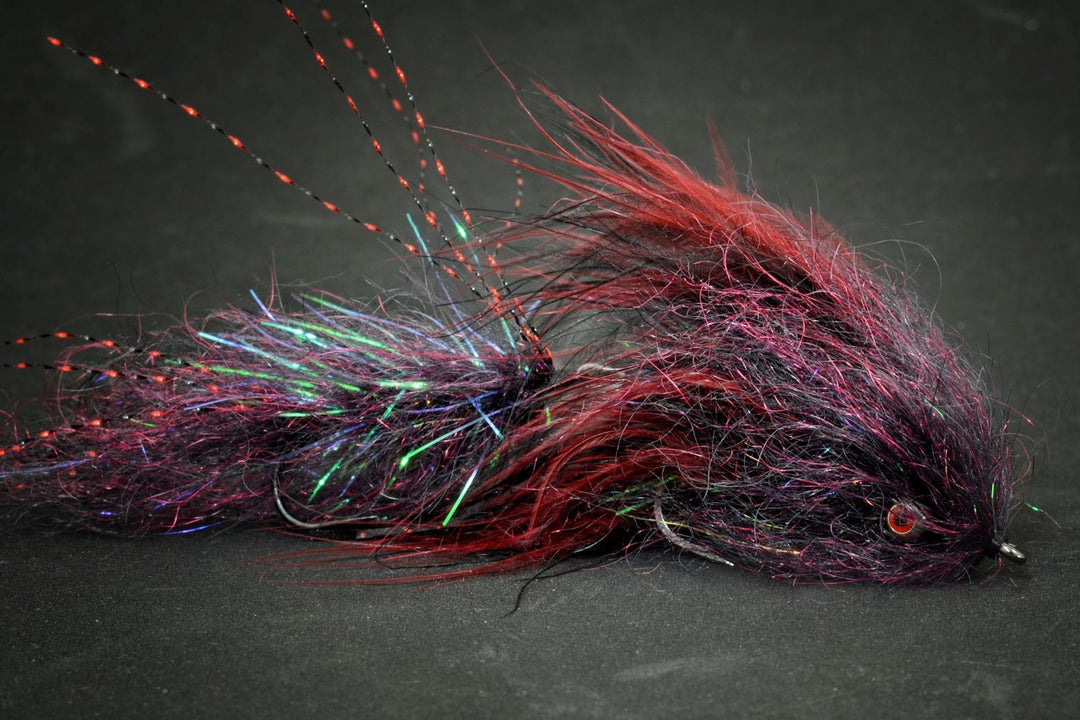
Streamers (slow, cold‑water stripping)
- Egan's Poacher - Olive — slow, seductive retrieves around structure: https://www.flyfishfood.com/products/egans-poacher-olive
- Egan's Poacher - Black — darker profile for low light/dirty water: https://www.flyfishfood.com/products/egans-poacher-black
- Coffey's CH Sparkle Minnow Sculpin — sculpin imitation for deep runs: https://www.flyfishfood.com/products/coffeys-ch-sparkle-minnow-sculpin
- Sculpzilla - Olive — articulated/large sculpin profile for deep pools: https://www.flyfishfood.com/products/sculpzilla-olive
Tactics & Tips — Cold Water Focus
Overview: April on the Madison is a cold‑water game. Fish are concentrated in seams, tails of pools, and deep riffles. Prioritize depth and presentation over big, flashy offerings. Keep your tippet light on dries/midges and heavier for streamers when you need power.
Deep Nymphing (primary morning strategy)
- Rig: two‑fly indicator or Euro (tight‑line) rig. Place a tungsten point fly (Perdigon / heavy jig) on point and a soft‑hackle or pheasant tail as trailing fly 8–18" above.
- Beadweights: 2–4mm tungsten beads are standard this time of year to get flies down quickly.
- Tippet & Leader: 9–12' leaders for indicator fishing; 0.018–0.015" (4X–6X) for Euro leaders. Use 4X–5X butt where extra pull needed for larger tungsten nymphs.
- Indicator placement: start 6–8 ft off point and adjust deeper until you get consistent takes.
Midge & BWO Presentations
- Micro rigs: long, fine leaders with 5X–6X tippet for tiny midge dries and emergers. Keep sliders/light strike indicators for subsurface midges.
- Dead‑drift emergers: use CDC/emergers with a light touch and long leaders — fish will often take subsurface or at the film.
- Chironomid strategy: when midges are prevalent, fish tight to slower seams and soft edges with small tungsten midges under an indicator.
Streamer Tactics (slow stripping)
- Rod & line: 6–8 wt rods; intermediate or sink‑tip depending on depth. Use stout tippet (0X–2X) when fighting bigger fish.
- Retrieve: slow strips with long pauses — cold trout often ambush rather than chase. Try one long strip, hold, then a shorter twitch.
- Target: deep tailouts, structure near boulders, seams where trout hold and feed on drifting larvae or small sculpin.
Typical Day Plan
- Early morning: deep nymphing in tailouts and seams — heavy tungsten Perdigons and jig nymphs.
- Midday: watch for BWO/midge windows; switch to emerger/dry droppers when fish are taking at the surface.
- Afternoon into evening: if water temps rise slightly and fish become more reactive, try slow streamer work along deep runs and edges.
Local Notes & Conservation
- April is transitional: trout remain in deeper lies. Keep wading to a minimum in key holding water and avoid crowded riffles during low flows.
- Follow Montana FWP regulations (licenses, special regulations by section, bait rules). Double‑check seasonal restrictions or special closures before you launch. A good starting point: Montana Fish, Wildlife & Parks.