Missouri River Fly Fishing Report - March 3/1/2026

Fly Fishing Report

MISSOURI RIVER FLY FISHING REPORT

Upper Missouri — Focused cold-water report

Report Date: March 1, 2026  |  Next Update: March 8, 2026

Current River Conditions

Focus for today: cold-water tactics only. Prioritize deep rigs, small tungsten nymphs/perdigons, tight-line midge work and slow, deliberate streamer presentations in deep runs and soft current seams.
Flows & Clarity
Flow Rate: Variable by reach — generally moderate; expect pockets of higher discharge near tributary confluences.
Water Clarity: Mostly clear to slightly stained in spring runoff transition areas.
Notes: Watch for seasonal dam releases; deeper lanes are where trout will hold.
Water Temperature
Current: ~34–40°F (1–4°C)
Daily Range: Cold mornings, slight warming midday in sun-exposed runs
Trend: Still in late-winter / early-spring cold regime — fish are holding deep or tucked into seams.
Weather Conditions
Forecast: Cold mornings, afternoon sun possible; breezy at times — plan for layered clothing and early starts.
Wind: Light–moderate; crosswinds can make indicator fishing harder.
Access Points
Most popular access points open — expect muddy banks in low-elevation ramps. Ice may persist in shaded pullouts; use caution.

Hatch Chart & Insect Activity (early March)

Insect Size Activity Level Prime Time
Midges (all life stages) #18–24 High — primary winter/early‑spring food source All day (peaks mid/late morning to dusk under calm conditions)
Blue‑Winged Olive (Baetis / BWO) #18–22 Moderate — early spring emergers/risers in warmer afternoons Late morning to mid‑afternoon on milder days
Small caddis (nymphs/emergers) #16–20 Low — nymph activity present; few surface hatches unless warm Evenings if temps moderate
Stonefly nymphs #6–14 Low — present subsurface as nymphs, important winter food Throughout day in riffles and pocket water

Recommended Flies (cold‑water focus)

Below are top match patterns from our reference sheet prioritized by shop rank and suitability for deep nymphing, midge/BWO work, and slow streamer techniques. All patterns include a direct link.

Nymphs & Euro/Indicator Rigs (deep nymphing)

Midges & Winter Midge Setups (indicator, euro, tightline)

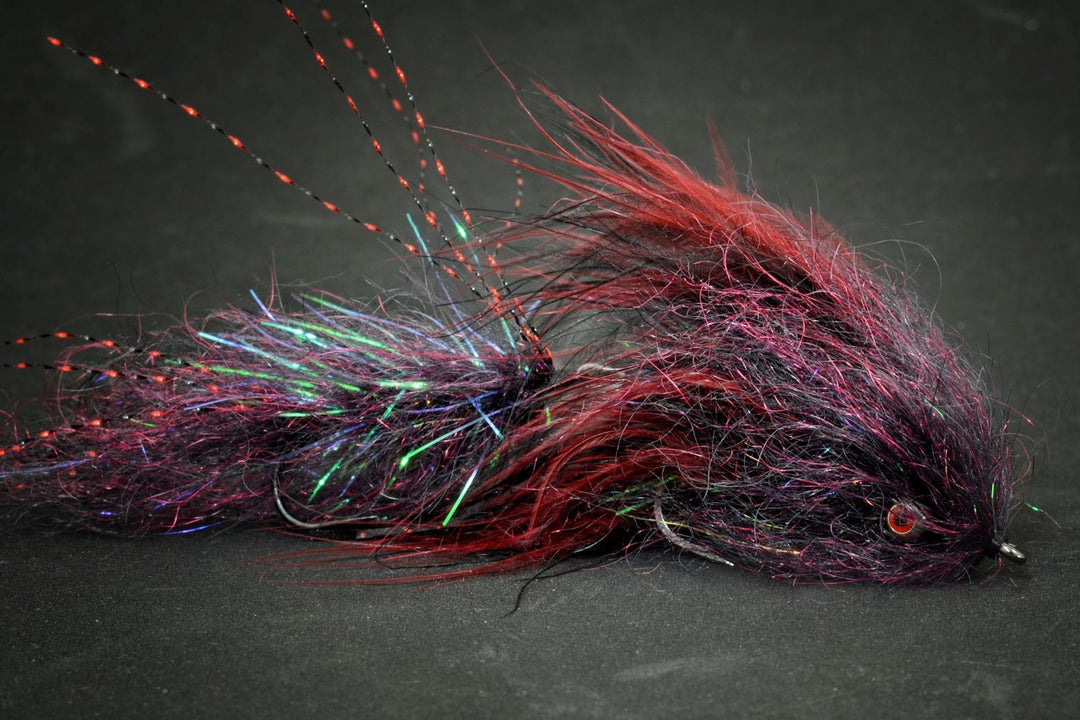
Streamers & Slow Strips (deep/structure fishing)

Emergers / Soft‑Hackle / Subsurface Slicks

Tactics & Tips — Cold‑Water Gameplan

Deep nymphing, midges/BWO tightline and slow streamer work are the most productive tactics right now. The river is still in a cold, early‑spring phase — trout feed low and conservatively. Below are field‑tested approaches for March on the Missouri River.

Deep Nymphing (indicator & Euro)

  • Rig: tungsten point fly (perdigon or small jig) on the point, slim nymph or soft‑hackle droppers above. Use 6–10 inches between flies for indicator rigs; Euro anglers will run a tight 1–2 fly rig with an aggressive weighted point.
  • Weight: favor tungsten beads and small perdigons to get down quickly — 3.0–4.5 mm beads depending on current.
  • Shotting: position shot to get the point fly along the bottom without dragging; in faster seams add a short heavy dropper ahead of the indicator.
  • Indicators: use a small, sensitive indicator (pink/pearl yarn or small strike indicators) and watch for very subtle twitches — midges often take quietly.

Midge / BWO (indicator, tightline, Euro)

  • Midge rigs: fish small (#18–24) midge patterns as point flies under a small indicator or tightline with very light tippet (6–8X) for picky trout.
  • BWO: on mild sunny windows fish BWO emergers and parachute adults on top; otherwise target baetis nymphs subsurface with soft‑hackles.
  • Depth control: keep flies just off the bottom for midges (they often drift mid‑column); for baetis/shallow emergers fish slightly higher in the column.
  • Retrieve: almost no retrieval — subtle dead‑drift is best. Read the indicator and set softly on very light movement.

Slow Streamer Game (deep runs & structure)

  • Speed: slow, short strips with 1–3 second pauses. In cold water long pauses are often what triggers strikes.
  • Target: deep tails of pools, undercut banks, boulder seams, and current seams where baitfish/juvenile sculpin hold.
  • Gear: 6–8 wt rods for good line control; use a sink‑tip or full sink line in deeper runs and work a sculpin or leech pattern slowly across the seam.
  • Leeches & small baitfish: when fish are inactive, switch to balanced leeches or mini jig leeches on a short sink‑tip and strip slowly parallel to current.

Tippet, Leaders & Day Kit

  • Tippet: 4–6X for midges/BWO point flies; 3–5X for nymph point flies; 2–4X for streamers depending on size.
  • Leader: 9–12 ft tapered leader for indicator/Euro setups; 7–9 ft for streamers with a heavier butt to turn larger flies.
  • Always carry: a selection of tungsten jigs/perdigons, small midges (#18–24), a few sculpin/streamers (#4–8), extra split shot and a few soft‑hackles.

Quick Sample Rigs

Indicator Nymph
Indicator — 3–4 ft dropper section — small tungsten point (perdigon/jig) — 8–14" above: pheasant tail or Frenchie — top dropper: zebra midge or small soft‑hackle.
Euro/Tightline
Short, straight leader — micro‑perdigon or tungsten split‑case point — 1–2 flies total — 0.5–1m spacing for maximum hook‑up.
Streamer
Sink‑tip line or full sink — articulated sculpin/poacher or jigged leech on 12–18" of 20–25 lb fluorocarbon shock tippet — slow strips & long pauses.
Safety note: early March conditions remain cold. Hypothermia risk is real — waders with good insulation, an unhooking kit, and communication gear are essential. Avoid over‑wading and always fish with a partner when possible.