Montana ·
Rock Creek Fly Fishing Report - April 4/5/2026
ROCK CREEK FLY FISHING REPORT
Montana's Blue-Ribbon Spring Trout Creek
Report Date: April 5, 2026 | Next Update: April 12, 2026
Current River Conditions
Spring transition — water remains cold and fish are keyed tight to current. Focus on deep/slow presentations: tight midge/BWO work and heavy tungsten nymphs; strip big, slow streamers through deeper runs.
Flows & Clarity
Flow: Low–moderate for Rock Creek (variable by reach)
Water Clarity: Mostly clear to lightly stained — very fishable
Visibility: 2–6 ft depending on run/eddies
Flow: Low–moderate for Rock Creek (variable by reach)
Water Clarity: Mostly clear to lightly stained — very fishable
Visibility: 2–6 ft depending on run/eddies
Water Temperature
Current: 38–46°F (3–8°C)
Daily Trend: Cold mornings, modest warming midday; fish remain in cool pockets
Current: 38–46°F (3–8°C)
Daily Trend: Cold mornings, modest warming midday; fish remain in cool pockets
Weather
Forecast: Chilly mornings, sun to partly cloudy afternoons; small chance of showers/snow at higher elevations
Wind: Light–moderate
Forecast: Chilly mornings, sun to partly cloudy afternoons; small chance of showers/snow at higher elevations
Wind: Light–moderate
Access & Safety
Spring road conditions possible mud in low-elevation approaches — bring waders/boots with good traction.
Parking: Use designated pullouts; expect anglers on popular stretches.
Spring road conditions possible mud in low-elevation approaches — bring waders/boots with good traction.
Parking: Use designated pullouts; expect anglers on popular stretches.
What’s Working (Spring — cold-water focus)
| Time of Day | Strategy | Why |
|---|---|---|
| Early Morning | Deep nymph rigs (euro or indicator), tungsten beads, micro-perdigons | Fish feed low and in current seams; tungsten gets flies to the feeding lane quickly in cold water |
| Midday | Midge / BWO tight-line and emerger presentations; longer, subtle drifts | Subdued surface activity — picky takes. Small emergers and midges trigger selective fish |
| Afternoon | Slow streamer stripping (sculpin/minnow profiles) through deep runs and pocket water | Fish move from lies to chase heavier prey as water warms slightly — slow, deliberate retrieves work best |
| All Day | Change depths, bead sizes and subtle color shifts; fish the seam first | Cold-water feeding is depth-driven — don’t assume surface activity = best action |
Recommended Flies — matched to current spring conditions
All selections below are cold-water appropriate for early April on Rock Creek. Links go to patterns that correspond to the research inventory.
Nymphs (deep, tungsten, jigs — prime for morning and off‑bank seams)
- Egan's Thread Frenchie Jig - Olive (jig, Euro/indicator work) — Rank 4
- Tungsten Dart - Red (fast-sink dart for tight presentations) — Rank 5
- Pheasant Tail Tungsten (classic, small mayfly profile) — Rank 16
- Roza's World Spain Perdigon - Barbless (micro-perdigon tactics) — Rank 13
- Egan's Warrior Perdigon - Rainbow (perdigon option for clear, cold water) — Rank 29
Midges (primary spring food; tight lines & micro nymphing)
- Black Zebra Midge (TBH) — Rank 48
- Tungsten Zebra Midge Thin - Black — Rank 116
- Top Secret Midge — Rank 109
- Jujubee Midge - Zebra — Rank 289
Streamers (slow, deliberate stripping for deeper pools)
- Egan's Poacher - Olive (anchor/jig-style streamer—excellent for slow-strip sculpin imitation) — Rank 1
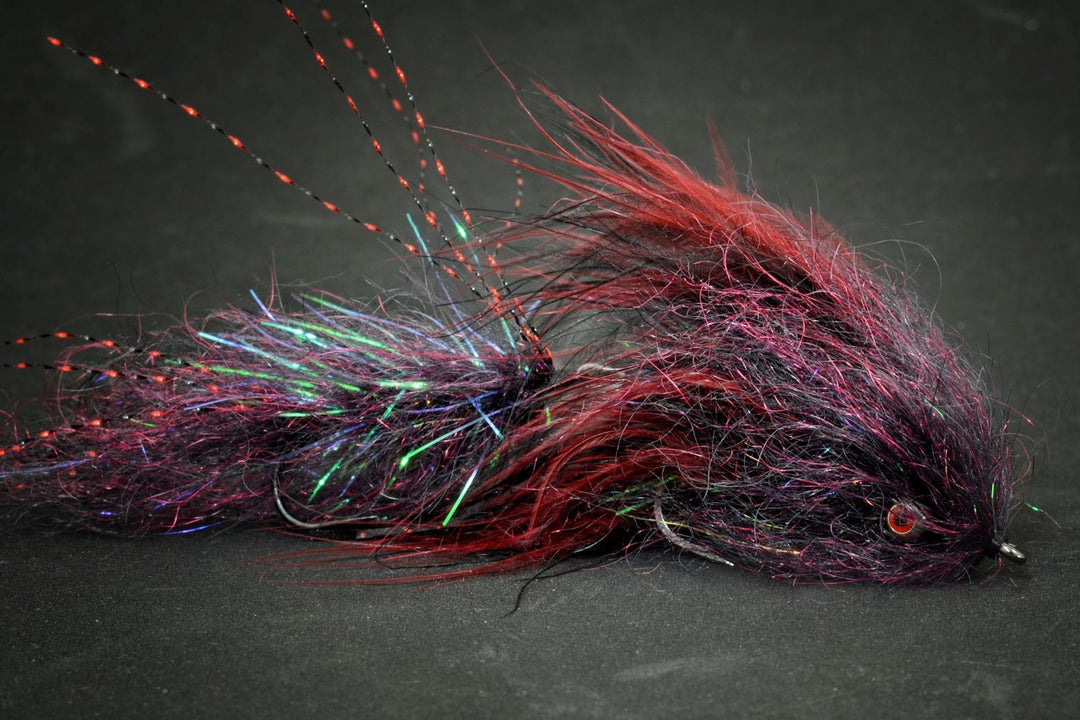
- Coffey's CH Sparkle Minnow Sculpin (sculpin profile for deep lies) — Rank 7
- Sculpzilla - Olive (articulated/large sculpin imitation for heavy strikes) — Rank 65
- Galloup's Slick Willy - Brownie (baitfish profile for slow figure-8 retrieves) — Rank 231
Drys & Emergers (BWO / small mayfly focus for selective rises)
- Parachute - Blue Wing Olive (light BWO parachute; subtle, visible drift) — Rank 31
- Stealth Link Mercer - PMD (PMD emerger/dun options where PMDs appear) — Rank 32
- Barr's Flashback Emerger - BWO (emerger profile for selective takes) — Rank 72
- Antonio's Adult BWO (adult BWO pattern for sparse surface activity) — Rank 102
Tactics & Practical Tips (Cold-water focus)
Deep nymphing: Start with tungsten jigs or perdigon-style flies. Shorten leader to get flies into seams quickly — 6–9 ft leaders off a 9' 3X or 4X tippet for euro nymphing. Add an indicator or tight-line as water color and flow dictate.
Midge tactics: Fish tiny, realistic profiles on tight lines or with very light indicators. Match sizes 18–24 and use black/olive or tan depending on water color. Micro-perdigons and tungsten zebra midge variants are deadly in cold water when fish are at depth.
Slow streamer work: Use a heavy nymph/streamer on a 6–10 ft leader; strip slowly with pauses (think slow "pull — hold" strokes). Target deep heads, undercut banks and downstream tails of pools. Sculpin/baitfish patterns in olive/brown are the go-to choices.
Drift & presentation: In cold water trout are energy conservative — keep presentations slow, anchored in the seam, and reduce drag. Change depth before changing color.
Midge tactics: Fish tiny, realistic profiles on tight lines or with very light indicators. Match sizes 18–24 and use black/olive or tan depending on water color. Micro-perdigons and tungsten zebra midge variants are deadly in cold water when fish are at depth.
Slow streamer work: Use a heavy nymph/streamer on a 6–10 ft leader; strip slowly with pauses (think slow "pull — hold" strokes). Target deep heads, undercut banks and downstream tails of pools. Sculpin/baitfish patterns in olive/brown are the go-to choices.
Drift & presentation: In cold water trout are energy conservative — keep presentations slow, anchored in the seam, and reduce drag. Change depth before changing color.
Quick Rig Recipes
| Situation | Rig |
|---|---|
| Euro nymphing deep riffles | Tapered leader, micro-perdigon or Frenchie jig (size 14–18), 4–6 ft tippet, short line control — feel for takes |
| Indicator nymphing slow seams | 3–4 ft sighter + 3–4 ft tippet, tungsten flashback or PT jig (size 14–16), dropper 12–18" behind indicator |
| Tight-line midges/BWO emergers | 1X–3X floater, long leader 10–14 ft, micro midges (18–24) plus a tiny emerger, light tippet 5–6X |
| Streamer (slow deep retrieves) | Fast-sink or intermediate fly line, 3–6 ft heavy leader to streamer, sculpin/minnow pattern, slow strips with long pauses |
Links to Key Patterns (quick access)
| Pattern | Usage |
|---|---|
| Egan's Poacher - Olive | Streamer / anchor / slow-strip sculpin imitation |
| Egan's Thread Frenchie Jig - Olive | Euro/indicator nymph — excellent depth control |
| Tungsten Dart - Red | Fast-sink nymph for tight presentations |
| Black Zebra Midge (TBH) | Tight-line midge work — winter/spring favorites |
REMINDER: This is early April — water is cold. Prioritize slow presentations and depth. Avoid bright, fast retrieves and large terrestrial imitations — trout are focused on small subsurface foods (midges, BWOs, nymphs), and slow sculpin/baitfish streamers for aggressive fish in deep lies.