
Idaho ·
Salmon River Fly Fishing Report - April 4/12/2026
SALMON RIVER FLY FISHING REPORT
Central Idaho — Spring Runoff Window (Cold-water focus)
Report Date: April 12, 2026 | Next Update: April 19, 2026
Regulations & Advisory
Always check Idaho Fish and Game regulations for the Salmon River before you fish (special rules, seasonal closures, or gear restrictions may apply on tributaries or specific reaches). This report assumes the mainstem is open on the report date — confirm current restrictions at idfg.idaho.gov or local fishery notifications before you head out.
Current River Conditions (Interpretive)
Spring conditions: cold water, elevated and variable flows from snowmelt. Expect brisk flows, cooler temperatures, and higher water clarity variance depending on wind and recent runoff. Focus on deep nymphing and slow streamer work in heavy water.
Flows & Clarity
Flow status: Elevated / rising in many reaches (spring runoff)
Water clarity: From clear in protected pools to stained in glides and tailouts
Note: pick calmer seams and pocket water during higher flows
Flow status: Elevated / rising in many reaches (spring runoff)
Water clarity: From clear in protected pools to stained in glides and tailouts
Note: pick calmer seams and pocket water during higher flows
Water Temperature
Current: very cold — typically 38–46°F (3–8°C) in April
Fish metabolism is slow — keep presentations slow and deep
Current: very cold — typically 38–46°F (3–8°C) in April
Fish metabolism is slow — keep presentations slow and deep
Weather Outlook
Variable spring weather: cool mornings, possible afternoon sun and gusts; watch for afternoon cloud changes that can trigger insect activity
Variable spring weather: cool mornings, possible afternoon sun and gusts; watch for afternoon cloud changes that can trigger insect activity
Access & Safety
Launches/roads: many access points valid but expect slick banks and spring mud
Safety: vest, wading staff, and layered clothing recommended — water is cold enough for hypothermia risk
Launches/roads: many access points valid but expect slick banks and spring mud
Safety: vest, wading staff, and layered clothing recommended — water is cold enough for hypothermia risk
What the Fish are Looking For (Spring)
| Target | Likely Presentation | Where to Fish |
|---|---|---|
| Trout (rainbow, cutthroat) | Deep, slow nymphs on an indicator or Euro/anchor rigs; soft, slow streamer strips in tails & seams | Deep pools, drop-offs, downstream tails, major seams behind structure |
| Steelhead (pockets / holding water) | Slow, heavy nymphs and larger, slow-moving streamers; short, powerful strips near structure | Large boulder pockets, heads of deep runs, undercut banks |
| Spring mayfly / BWO & midges | Small emergers and midges fished deep or in the film where active; parachutes if surface activity shows | Foam lines, slow seams, back eddies |
Cold-Water Fly Selection (Patterns & Links)
Below are recommended patterns pulled from our reference fly sheet — prioritized by applicability for April Salmon River conditions (deep nymphing, midges/BWO, slow streamers). Each sublist contains four or more proven choices with purchase links.
Nymphs & Euro / Jig Anchors
- Egan's Thread Frenchie Jig - Olive — compact jig nymph for deep rigs
- Egan's Frenchie — classic tungsten nymph, great as dropper/point fly
- Pheasant Tail Tungsten — universal mayfly nymph profile in small sizes
- Roza's World Spain Perdigon (barbless) — tight sinkers for Euro point/soft presentation
- Tungsten Split Case Nymph - PMD — excellent PMD/profile nymph for spring
Midges (larvae, pupae, adult film feeders)
- Black Zebra Midge (TBH) — winter/spring midge tungsten
- Top Secret Midge — simple, reliable midge pattern
- Black Mirage Zebra Midge — great for indicator or jig setups
- Tungsten Zebra Midge Thin - Black — tungsten midge for tight, deep presentations
- Jig Zebra Midge — thin jigs for Euro/indicator fishing
Emergers & Soft-Hackle / Film Presentations
- Parachute - Blue Wing Olive — parachute BWO for sparse surface activity
- Barr's Flashback Emerger - BWO — emerger pattern for sub-surface takes
- Stealth Link Mercer - PMD — small emerger for PMD windows
- Soft Hackle Pheasant Tail Jig - Barbless — soft-hackle movement in current
- CDC Soft Hackle Tailwater Sowbug Jig - Rainbow — soft-hackle jig for subtle emerger/soft presentations
Streamers & Big Meat (slow retrieves)
- Egan's Poacher - Olive — small articulated/jig streamer with good action
- Coffey's CH Sparkle Minnow Sculpin — sculpin profile for deep runs and structure
- Sculpzilla - Olive — larger sculpin imitation for deeper plugs
- Galloup's Slick Willy - Whitefish — baitfish profile for slow strip/stop retrieves
Tactics & Cold-Water Strategies
This is a cold-water, early-spring report. Keep presentations slow, deep, and subtle.
Deep Nymphing: Use Euro/anchor setups or an indicator rig. Heavy tungsten point flies (Perdigons, Frenchies, small PT nymphs) in 16–22 sizes with a softer dropper (midge/pheasant tail) produce during low-light and off-peak windows. Work seams, inside bends and pool tails — aim flies in the 2–6 ft zone below the surface depending on clarity and flow.
Midge / BWO Work: Fish small emerger/midge patterns below the surface and tight to foam lines. If fish are sipping, switch to a small parachute BWO or midge on the film. When surface activity is light, downsize and fish tungsten midge or Perdigon with slow drift.
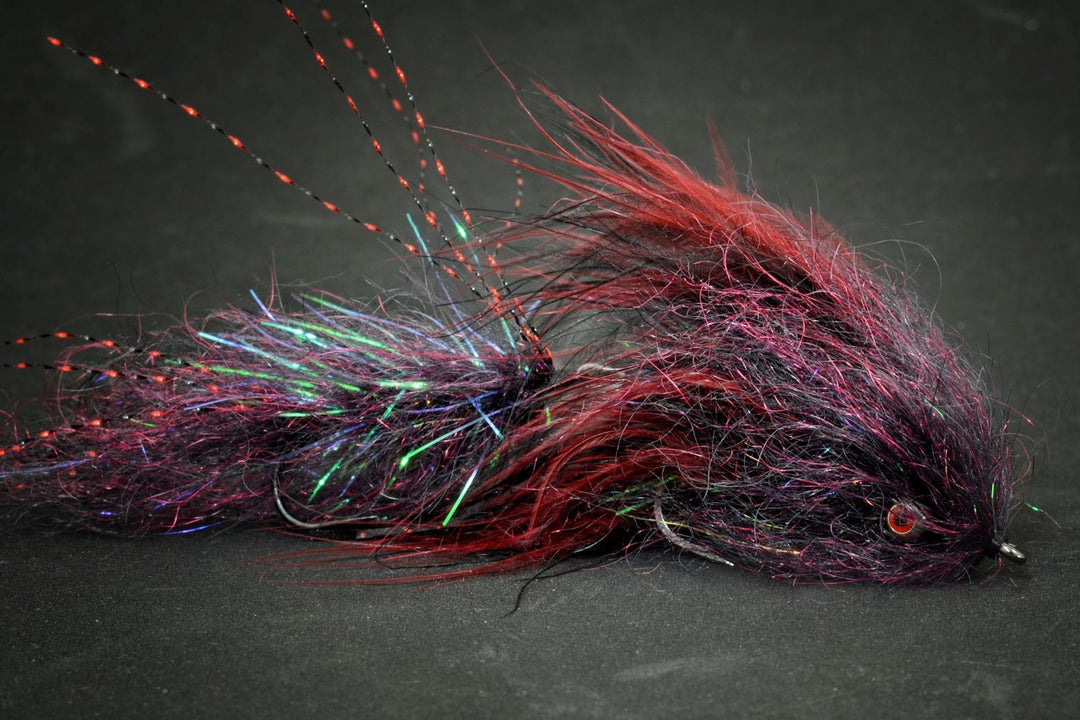
Streamers: Fish slow and deep — long casts into current seams, slow strips with pauses and occasional long slow strips that allow the streamer to sink into the take zone. Focus on heads of runs, tails of pools, and structure where trout and steelhead stage.
Presentation Notes: Shorten leaders on windy afternoons; keep a fluorocarbon tippet of moderate strength for abrasion resistance; for Euro nymphing keep the rig tight and adjust length to hold the fly in the strike zone. Avoid frantic retrieves — cold water calls for patience.
Deep Nymphing: Use Euro/anchor setups or an indicator rig. Heavy tungsten point flies (Perdigons, Frenchies, small PT nymphs) in 16–22 sizes with a softer dropper (midge/pheasant tail) produce during low-light and off-peak windows. Work seams, inside bends and pool tails — aim flies in the 2–6 ft zone below the surface depending on clarity and flow.
Midge / BWO Work: Fish small emerger/midge patterns below the surface and tight to foam lines. If fish are sipping, switch to a small parachute BWO or midge on the film. When surface activity is light, downsize and fish tungsten midge or Perdigon with slow drift.
Streamers: Fish slow and deep — long casts into current seams, slow strips with pauses and occasional long slow strips that allow the streamer to sink into the take zone. Focus on heads of runs, tails of pools, and structure where trout and steelhead stage.
Presentation Notes: Shorten leaders on windy afternoons; keep a fluorocarbon tippet of moderate strength for abrasion resistance; for Euro nymphing keep the rig tight and adjust length to hold the fly in the strike zone. Avoid frantic retrieves — cold water calls for patience.
Quick Day Plan
Morning
Start with heavy/point tungsten nymphs under an indicator or do an anchor Euro drift on deep seams and pool heads.
Start with heavy/point tungsten nymphs under an indicator or do an anchor Euro drift on deep seams and pool heads.
Midday
Watch for BWO or midge windows — quietly switch to tiny emerger/parachute setups. Try a small midge under an indicator in glassy pockets.
Watch for BWO or midge windows — quietly switch to tiny emerger/parachute setups. Try a small midge under an indicator in glassy pockets.
Afternoon / High Flows
Switch to slow streamer work along structure and the inside of bends. Target deep seams and eddies with long casts and slow strips.
Switch to slow streamer work along structure and the inside of bends. Target deep seams and eddies with long casts and slow strips.
Evening
Revisit nymph rigs and soft-hackle emergers; low-light increases willingness to take subsurface presentations.
Revisit nymph rigs and soft-hackle emergers; low-light increases willingness to take subsurface presentations.
Local Notes & Safety
Spring flows are unpredictable — check river level updates and local reports before launch. Cold water immersion is a serious risk; wear a PFD for float trips and a wading belt when wading. If targeting steelhead, confirm recent regulation changes and temporary closures with Idaho Fish & Game.