Virginia ·
Shenandoah River Fly Fishing Report - January 1/4/2026
SHENANDOAH RIVER FLY FISHING REPORT
Virginia — North & South Forks, Mainstem Shenandoah
Report Date: January 4, 2026 | Next Update: January 11, 2026
Current River Conditions
Winter pattern in effect: Flows are low-to-normal for the season and stable in most reaches. Water clarity is generally good — expect clear to slightly tea-stained pockets. With water temperatures holding in the upper 30s to mid-40s°F, fish are holding deep and low-energy; focus on subsurface presentations and slow, precise work near structure.
Flows & Clarity
Flow: Low–normal for the season (watch for localized releases)
Clarity: Mostly clear to lightly stained in low stretches
Typical holding: deep runs, current seams, woody structure
Flow: Low–normal for the season (watch for localized releases)
Clarity: Mostly clear to lightly stained in low stretches
Typical holding: deep runs, current seams, woody structure
Water Temperature
Current: ~38–46°F (3–8°C)
Trend: Cold-stable — slow warming only on extended sunny days
Current: ~38–46°F (3–8°C)
Trend: Cold-stable — slow warming only on extended sunny days
Weather
Forecast: Cool, variable cloud cover; occasional fronts can spike visibility and activity for short windows
Wind: Light to moderate; gusts can shut down sight-fishing quickly
Forecast: Cool, variable cloud cover; occasional fronts can spike visibility and activity for short windows
Wind: Light to moderate; gusts can shut down sight-fishing quickly
Where to Fish
North Fork near Woodstock/Edinburg for wade access and quality smallmouth water
South Fork stretches toward Front Royal and downstream runs for deeper holes and boat access
Mainstem below confluences for bigger pools and mixed structure
North Fork near Woodstock/Edinburg for wade access and quality smallmouth water
South Fork stretches toward Front Royal and downstream runs for deeper holes and boat access
Mainstem below confluences for bigger pools and mixed structure
Winter Hatch & Food Notes
| Insect / Food Item | Impression | Size Range | Prime Window |
|---|---|---|---|
| Midges (winter midges) | Primary surface/invertebrate activity — consistent but subtle | #18–24 | All day; brief surface sipping during warm spells |
| Baetis/Small Mayflies | Spotty emergers — more noticeable on warmer, low-wind days | #18–22 | Late morning through midday on calm days |
| Subsurface: sculpins, crayfish, nymphs | Main winter forage — fish deep and slow | Streamers #4–8; nymphs #10–18 | Dawn, dusk, and cloudy afternoons |
| Terrestrials | Rare this time of year — negligible | Varies | Warm sunny afternoons (rare) |
Recommended Flies (shipped links included)
Winter Shenandoah is a nymph and streamer river right now — fish are hugging bottom and structure. Below are go-to selections, grouped by tactic. Each fly link goes to a trusted pattern you can pick up before your trip.
Nymphs & Tungsten Jigs (strike/Euro & indicator rigs)
- Egan's Poacher - Olive — versatile anchor/indicator nymph and jig streamer-style profile, excellent when fishing tight to rock and woody structure.
- Egan's Thread Frenchie Jig - Olive — compact tungsten jig for deep seams and pocket water; great on a dropper or as a point fly.
- Tungsten Split Case Nymph - PMD — superb when blue-wing or PMD-type emergers are present; sinks quickly and gets into feeding lanes.
- Tungsten Pat's Rubber Legs - Tan & Brown — stonefly/salmonfly profile for late winter/early spring transitional fish feeding on large nymphs.
Streamers & Baitfish/Crayfish Imitations
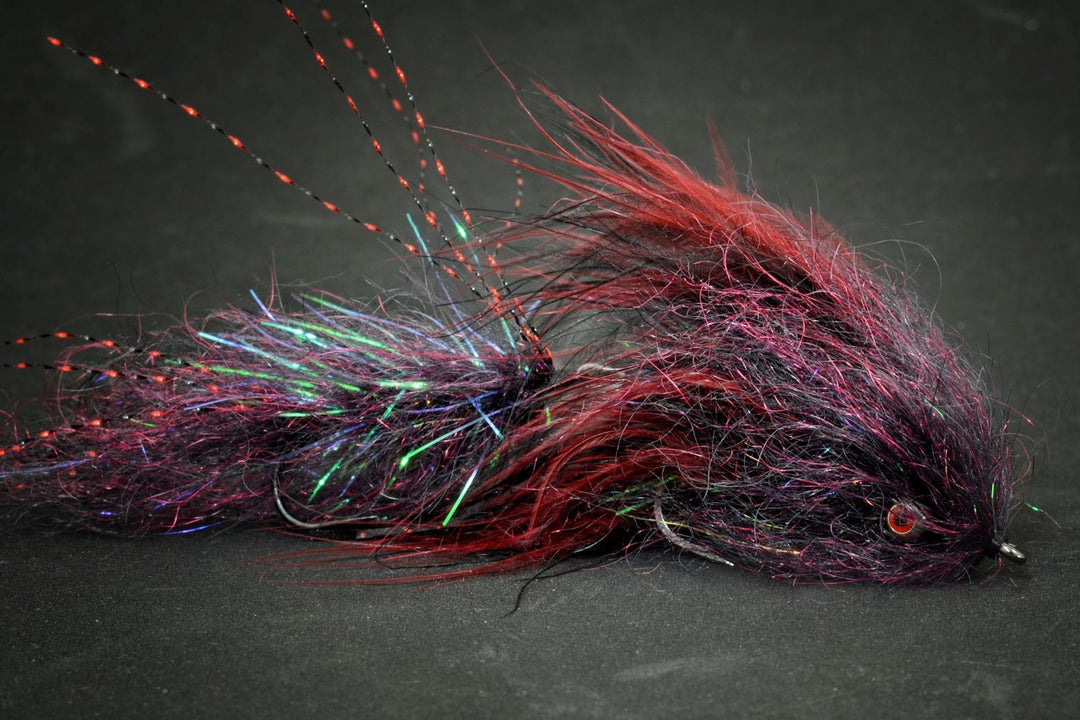
- Coffey's CH Sparkle Minnow Sculpin — a top choice for targeting deep-pocket smallmouth holding on the bottom.
- Sculpzilla - Olive — a sculpin profile that fishes well on short strips along drop-offs and undercut banks.
- Galloup's Dungeon - Black — articulated/baitfish option for big, sluggish fish in deeper runs.
- Galloup's Peanut Envy - Olive — compact articulated minnow for stripped presentations through structure.
Dry Flies & Emergers (when midges/baetis show)
- Corn-fed Caddis (CDC) — Tan — top caddis emerger/dry pattern for calm winter pockets and soft sipping fish.
- Parachute - Blue Wing Olive — dependable parachute for small mayfly activity and picky takes.
- Stealth Link Mercer - PMD — a refined emerger/dry that matches subtle PMD activity on warm days.
- Stealth Link Mercer - Green Drake — carry a handful in the event of late-season drake activity or big mayfly events.
Tactics & Tips — How to Fish It
- Nymphing: Euro-style or indicator rigs with tungsten jigs and heavy beads will outproduce free-drifting soft nymphs. Keep depth until you cross fish marks (current seams, tailouts).
- Streamers: Slow strips on an intermediate or sinking-tip line through deep runs and along big structure. Pause between strips — winter fish often react to a pause as a natural baitfish.\br> - Dry/Emerger: Carry small midges and baetis emergers but expect low surface activity. If you find sipping fish on warm, calm windows, downsize and present delicately.
- Tippet & Rods: 6–8 wt for streamers; 4–6 wt or Euro 10–12 ft rods for nymphing; 7X–4X tippets depending on fly size and fish wariness.
- Presentation: Slow is the keyword — long drifts, subtle twitches on streamers, controlled dead-drift for nymphs. Follow holding fish with your casts rather than bombing long casts.
- Streamers: Slow strips on an intermediate or sinking-tip line through deep runs and along big structure. Pause between strips — winter fish often react to a pause as a natural baitfish.\br> - Dry/Emerger: Carry small midges and baetis emergers but expect low surface activity. If you find sipping fish on warm, calm windows, downsize and present delicately.
- Tippet & Rods: 6–8 wt for streamers; 4–6 wt or Euro 10–12 ft rods for nymphing; 7X–4X tippets depending on fly size and fish wariness.
- Presentation: Slow is the keyword — long drifts, subtle twitches on streamers, controlled dead-drift for nymphs. Follow holding fish with your casts rather than bombing long casts.
Quick-Read Strategy (day plan)
Dawn
Hit deeper runs and riffles with streamers on an intermediate line. Strip slow; fish the seams and tailouts.
Mid-morning
Switch to Euro nymphs or a tungsten jig set—probe under current breaks and behind boulders.
Afternoon
Continue nymphing; look for brief surface activity on calm days and throw a small emerger/dry if you see sipping.
Dusk
Streamers again along big structure; low light can trigger more aggressive takes.
Local Notes & Safety
- Dress for cold water: hypothermia risk is real in early January — insulated waders, multiple layers, and a dry outer shell.
- Check local boat ramp and access closures — some low bridges or county roads may be icy or limited in winter.
- Keep an eye on stream gauges and short-term forecasts; rain or warm-ups can change clarity and activity quickly.
- Practice careful wading in deeper pools — currents can be deceptively strong near holes.
Quick Kit Checklist
Lines & Leaders
Intermediate / sink-tip for streamers; floating with sink-tip nymph leader or Euro setups for nymphing.
Leaders & Tippet
7–9 ft leaders for dries; 9–14 ft for Euro nymphing. Tippet 7X–3X depending on fly and fish wariness.
Essential Flies
Tungsten jigs, heavy nymphs, sculpin/streamer profiles, CDC midges/emerger specials (links above).
Clothing
Insulated waders, neoprene booties, warm hat, insulated gloves with finger access.
If you want, I can prepare a printable fly-shopping list (with direct links) tailored to the Shenandoah section you plan to fish (North Fork, South Fork, or mainstem). Want that?