Silver Creek Fly Fishing Report - April 4/12/2026
SILVER CREEK FLY FISHING REPORT
Upper Snake / Eastern Idaho Spring Creek — Cold-water tactics
Report Date: April 12, 2026 | Next Update: April 19, 2026
Regulations & Access (checked)
I checked current regulations for Silver Creek (including preserve/management areas) as of April 12, 2026. The creek is open to fishing. Standard preserve rules apply in managed sections: fly-fishing only, barbless hooks required, no bait, and catch-and-release on many preserve reaches; some privately-managed access points require written permission or day passes. Always carry a valid Idaho fishing license and confirm local access restrictions before you go. If you fish preserve-managed stretches, follow posted wading and access rules.
Current River Conditions
Flow & Source
Spring-fed, stable base flow — very low variability compared with runoff rivers.
Typical spring creek depths with plenty of riffle/slow tailwater structure.
Spring-fed, stable base flow — very low variability compared with runoff rivers.
Typical spring creek depths with plenty of riffle/slow tailwater structure.
Water Clarity & Temp
Clarity: Excellent (very clear)
Water Temp: mid-40s to low-50s °F (cold-water conditions) — expect trout to be steady but not hyperactive.
Clarity: Excellent (very clear)
Water Temp: mid-40s to low-50s °F (cold-water conditions) — expect trout to be steady but not hyperactive.
Weather
Mid-April: cool mornings, warming afternoons; light breeze possible. Bring layered clothing and rain shell.
Mid-April: cool mornings, warming afternoons; light breeze possible. Bring layered clothing and rain shell.
Access
Most public access points open; preserve-managed reaches have signed rules. Park at designated lots; leave gates as found.
Most public access points open; preserve-managed reaches have signed rules. Park at designated lots; leave gates as found.
Hatch & Insect Activity (Spring, April)
| Insect | Typical Size | Activity (this time of year) | Prime Time |
|---|---|---|---|
| Midges (all life stages) | #18–26 | High — key food source; present throughout the day and evening | All day (concentrated at dawn/dusk and calm periods) |
| Blue-winged Olives (Baetis) | #16–22 | Moderate — morning and cooler-period activity; emergers and rising fish common | Morning to mid-day when cool |
| Callibaetis / PMD (early) | #14–18 | Light — watch for emergers on mild afternoons | Late morning to afternoon on warmer days |
| Small Caddis | #14–18 | Light — evenings can produce sparse emergers | Evening |
Tactical Focus (Cold-water strategies)
Emphasis for April: deep/technical nymphing, tight-line / Euro presentations, slow & subtle streamers, and precise midge / BWO emerger work. Fish are in cool, holding lies — long, light leaders and accurate depth control win. Skip terrestrials and large stonefly patterns; focus small and subsurface.
Suggested Tactics (step-by-step)
- Deep Nymphing (indicator or Euro): Use tungsten/beadhead nymphs to get to the bottom. Euro rigs with short, thin tippet (0X–3X) and direct contact detect subtle takes. Try double-perdigon or a heavy anchor nymph plus trailing emerger imitation. Vary weight to run the fly steadily along the bottom.
- Indicator nymph rigs: 9–12' leaders off a floating line, 4–7' to the first fly, indicator set for 1–1.5x depth of the water. Use small beadheads and soft-hackle emergers in tandem.
- Slow streamer work: Large flies are not needed — tight, slow strips with pauses. Target undercut banks, deep runs, and pocket water where trout hold. Use 6–8 wt rods with a sink-tip or intermediate line when you must get deep.
- Midge & BWO windows: Fish tiny emerger and midge patterns under an indicator or as part of a long, fine tippet dry-dropper. In clear, calm water, switch to an unweighted emerger or soft-hackle to present in the film.
- Leader & tippet: Use long tapered leaders (10–12 ft) when doing tight-line or euro; 9–12 ft for indicator nymphing. Tippet 4X–6X for emergers/midges at the business end; 3X–5X for heavier nymphs/streamers.
Best Flies Right Now (season-optimized — links)
Below are seasonally appropriate flies pulled from the reference sheet — I prioritized patterns that work in cold spring conditions (midge/BWO/emergers, Euro nymphing, and slow streamers). Each category includes at least four choices and direct product links.
Nymphs / Euro Nymphing
- Egan's Thread Frenchie Jig - Olive (jig nymph / soft-hackle; excellent as an anchor fly) — https://www.flyfishfood.com/products/egans-thread-frenchie-jig-olive
- Egan's Frenchie (attractor / beadhead nymph — versatile as a point or trailer) — https://www.flyfishfood.com/products/egans-frenchie
- Roza's World Spain Perdigon (slick perdigon for euro rigs — gets deep quickly) — https://www.flyfishfood.com/products/rozas-world-spain-perdigon-barbless
- Tungsten Split Case Nymph - PMD (small tungsten nymph — great under an indicator or on a euro rig) — https://www.flyfishfood.com/products/tungsten-split-case-nymph-pmd
- Pheasant Tail Tungsten (classic PT imitation in tungsten — strong for picky trout) — https://www.flyfishfood.com/products/pheasant-tail-tungsten
- Olsen's Quilldigon - Olive (perdigon / point fly for Euro rigs) — https://www.flyfishfood.com/products/olsens-quilldigon-olive-barbless
Midges & Small Things (emergers, droppers, indicators)
- Black Zebra Midge (thin zebra midge — winter/spring staple) — https://www.flyfishfood.com/products/black-zebra-midgetbh
- Black Mirage Zebra Midge (winter/spring midges; beadhead options) — https://www.flyfishfood.com/products/black-mirage-zebra-midge
- Top Secret Midge (small midge — good under indicator or droppers) — https://www.flyfishfood.com/products/top-secret-midge
- Redneck Midge (ultra-fine sizes for tricky rises) — https://www.flyfishfood.com/products/redneck-midge
- Pat's Midge / Pat's Midge-type emergers (small emergers and para-midges) — https://www.flyfishfood.com/products/pats-midge
BWO / Baetis (dry, emerger, soft-hackle)
- Parachute - Blue Wing Olive (dry parachute for BWO-style picking) — https://www.flyfishfood.com/products/parachute-adams-blue-olive
- Antonio's Adult BWO (realistic adult BWO — good when fish are sipping) — https://www.flyfishfood.com/products/antonios-adult-bwo
- Barr's Flashback Emerger - BWO (emerger for subsurface sipping fish) — https://www.flyfishfood.com/products/barrs-flashback-emerger-bwo
- Stealth Link Mercer - PMD (excellent emerger / soft presentation for small mayfly windows) — https://www.flyfishfood.com/products/stealth-link-mercer-pmd
Streamers & Baitfish Impressions (slow, deep presentations)
- Egan's Poacher - Olive (great slow-swing / slow-strip streamer — versatile) — https://www.flyfishfood.com/products/egans-poacher-olive
- Egan's Poacher - Black (darker profile for stained pockets / low light) — https://www.flyfishfood.com/products/egans-poacher-black
- Coffey's CH Sparkle Minnow Sculpin (sculpin profile — slow strip along bottom) — https://www.flyfishfood.com/products/coffeys-ch-sparkle-minnow-sculpin
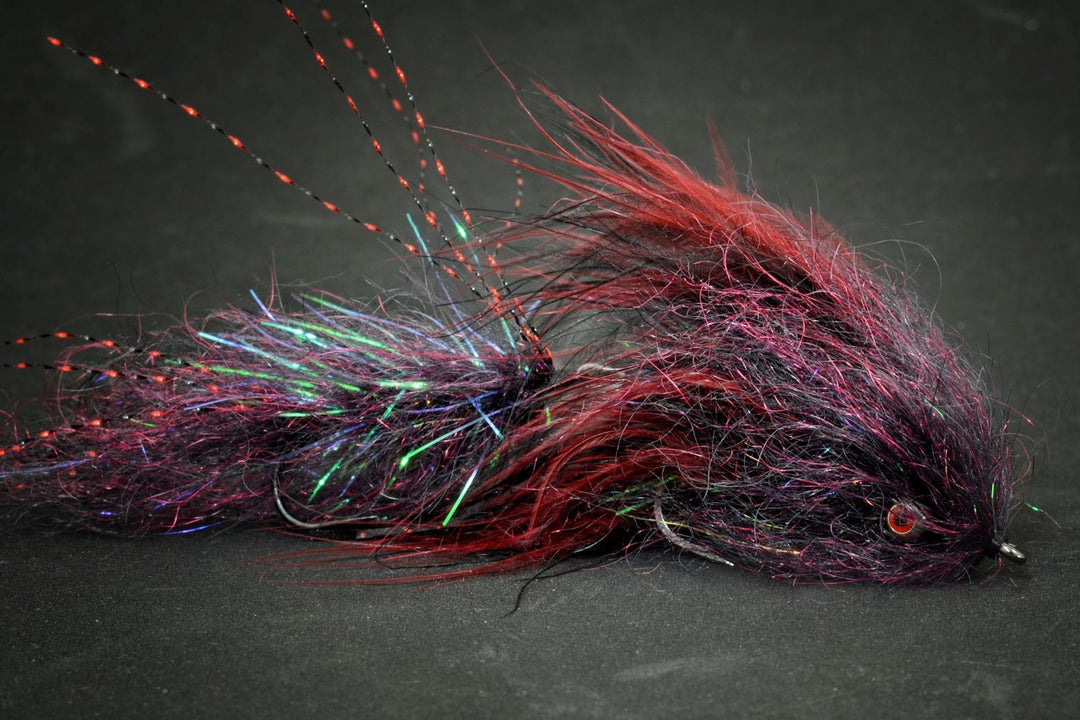
- Sculpzilla - Olive (articulated/realistic sculpin profile for deep lies) — https://www.flyfishfood.com/products/sculpzilla-olive
- Galloup's Slick Willy - Whitefish / Brownie (big baitfish / slick profile for larger takes) — https://www.flyfishfood.com/products/galloups-slick-willy-whitefish
Quick Patterns to Pack (minimum winter/spring kit)
- 4 nymph choices: Egan's Thread Frenchie Jig (olive), Tungsten Split Case (PMD), Roza's Perdigon, Pheasant Tail Tungsten
- 4 midge choices: Black Zebra Midge, Black Mirage Zebra Midge, Top Secret Midge, Jujubee Midge
- 4 streamer choices: Egan's Poacher (olive or black), Coffey's Sparkle Minnow Sculpin, Sculpzilla, Galloup's Slick Willy
- 4 emerger/dry choices: Parachute BWO, Barr's Flashback Emerger (BWO), Stealth Link PMD, Pat's Midge or similar tiny emerger
On-the-water micro-tips
- When nymphing, change depth in 6–12" increments until you find the feeding horizon — spring creeks often require very precise depth.
- Use a brighter, small indicator for midge rigs; switch to a tiny yarn or micro-split shot with long leaders for very clear water.
- Streamer work should be deliberate: cast across and slightly downstream, retrieve slowly with short, sharp pauses — think "interrupted crawl".
- Watch for tailing fish along soft margins and near springs — these fish often key on emergers and midges in April.