Idaho ·
South Fork Snake River Fly Fishing Report - October 4, 2026

SOUTH FORK SNAKE RIVER
ReportOCT 4 — 11, 2026
🌊
Flow
4540CFS
SNAKE RIVER NR HEISE ID
🌡️
Water Temp
—
Updated 2026-10-03
☀️
Weather
50–81°F
Clear
💧
Clarity
Clear
Check post-storm
Flow has dropped to 4,540 cfs at Heise (gauge height 3.26 ft) and continues its downward trend from the 4,660 cfs recorded last week — water is clear and fish are concentrating tight to cutbanks and seam edges. Sunny skies and an 81°F high today will push the best dry-fly action into midday and early afternoon.
What's Working — Hot Flies

Parachute - Blue Wing Olive #22
#22

Juju Baetis Tungsten #22
#22

Olsen's Hare's Ear Blowtorch Barbless #20 - 28
#20

Black Zebra Midge(TBH) #20
#20

Bionic Ant 2.0 - Black #16
#16

Bionic Ant 2.0 - Brown #12
#12

Corn-fed Caddis (CDC) Tan #20
#20

Egan's Thread Frenchie Jig - Olive #12
#12

Egan's Frenchie #12
#12

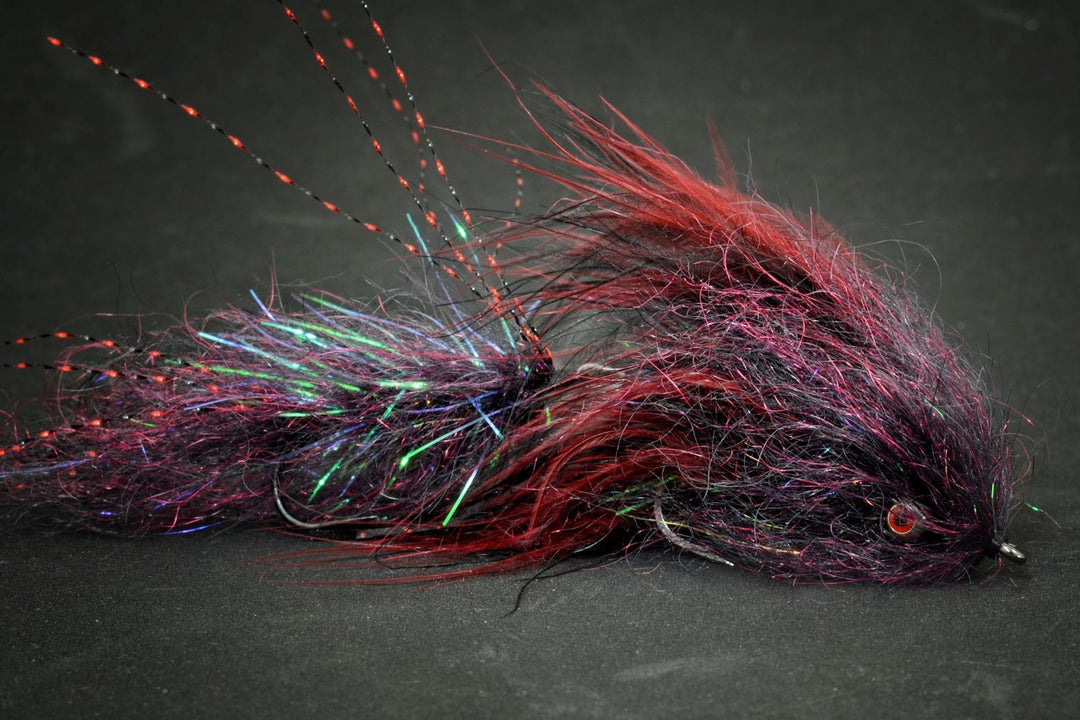
Coffey's CH Sparkle Minnow Sculpin #6
#6

Sculpzilla - Olive #4
#4

Egan's Silver Bullet - Baetis #14
#14
Hatch Chart
| Insect | Size | Activity | Prime Time |
|---|---|---|---|
| Blue-Winged Olive (Baetis) | 20-22 | Moderate | 11 AM - 2 PM |
| Midge | 20-24 | Heavy | 8 AM - 11 AM |
| Caddis | 16-18 | Light | 4 PM - 6 PM |
| Terrestrials (Ants) | 14-16 | Moderate | 12 PM - 4 PM |
| Sculpin / Streamer Forage | 4-6 | Moderate | 7 AM - 10 AM |
Best Time Window
- 7 AM - 9:30 AM: Pre-sun streamer and nymph bite along cutbanks and boulder runs before fish go on alert.
- 11 AM - 2 PM: Prime BWO hatch window in tailouts and flat water — switch to dries and emergers.
- 3 PM - 6 PM: Terrestrial and caddis action heats up along grassy banks as afternoon warmth peaks.
Guide's Tip
From the benchWith flows down to 4,540 cfs and clear water, fish are stacked tight to cutbanks and the inside edges of current seams — don't wade deep and blow out the best water. Start your morning with a streamer swung through the deeper boulder runs before the sun hits the water, then transition to a single nymph rig in the 2-3 foot depth range as the day warms. When the BWO hatch fires between 11 AM and 2 PM, drop to a 6X tippet and present your dry fly from downstream to avoid lining the fish in this gin-clear water. The 81°F afternoon high will push terrestrial activity hard, so keep an ant pattern ready to switch to any time you see fish rising along grassy banks.
Main Species
Yellowstone Cutthroat Trout
Brown Trout
Rainbow Trout