Truckee River Fly Fishing Report - January 1/4/2026
TRUCKEE RIVER FLY FISHING REPORT
Truckee • Boca • Farad — January 4, 2026
Report Date: January 4, 2026 | Next Update: January 11, 2026
Current River Conditions
Winter pulse and recent rain/snow have the Truckee running higher and cooler than typical early January. Expect technical, cold-water fishing — best success with nymphs and tight-line tactics. Streamer fishing will also be productive where the river has cleaned channels and structure.
Flows & Locations
Downtown Truckee / Farad: ~400–600 cfs (varies by gauge)
Boca Reservoir / Boca area: 500–700 cfs downstream pulse
Notes: Expect elevated winter flows after recent storm cycles — current flows favor deep nymphing and streamer work.
Downtown Truckee / Farad: ~400–600 cfs (varies by gauge)
Boca Reservoir / Boca area: 500–700 cfs downstream pulse
Notes: Expect elevated winter flows after recent storm cycles — current flows favor deep nymphing and streamer work.
Water Temperature
Surface: mid-to-upper 30s°F (approx. 38–42°F)
Trend: cold and stable; fish metabolism slow — be delicate with presentations.
Surface: mid-to-upper 30s°F (approx. 38–42°F)
Trend: cold and stable; fish metabolism slow — be delicate with presentations.
Clarity & Color
Slightly off-color to "steelhead green" in places after runoff; pockets of clearer water in sheltered runs and tailouts.
Visibility: variable — adjust nymph weight and bead size accordingly.
Slightly off-color to "steelhead green" in places after runoff; pockets of clearer water in sheltered runs and tailouts.
Visibility: variable — adjust nymph weight and bead size accordingly.
Access & Safety
Town and downstream reaches open; trailheads may be icy. Wading: be conservative — cold water and slick rocks increase hypothermia risk. Dress in layers, use a wading staff and inform someone of your plan.
Hatch & Insect Activity (Jan 4)
| Insect | Size | Activity | Prime Time / Notes |
|---|---|---|---|
| Midges | #18–24 | Moderate — consistent | All day in tails and slow water; indicator or Euro in soft pockets |
| Baetis / Small mayflies | #18–22 | Light — best in clearer pockets | Late morning through midday on warmer, sunlit seams |
| Stonefly nymphs (deep riffles) | #8–14 | Occasional | Target deeper runs and undercut banks with heavy nymphs |
| Caddis | #14–18 | Light | Evening edges if temperatures rise briefly; emergers in slow water |
Recommended Techniques
- Euro / Tight-line Nymphing: the top tactic right now — long, direct contact rigs with tungsten or jig nymphs. Use light tippets (4–6X) for small emergers and midges in clear pockets.
- Indicator / Two-fly Rigs: still effective in stained water — run a heavier beadhead on point and a smaller emerger/dropper above.
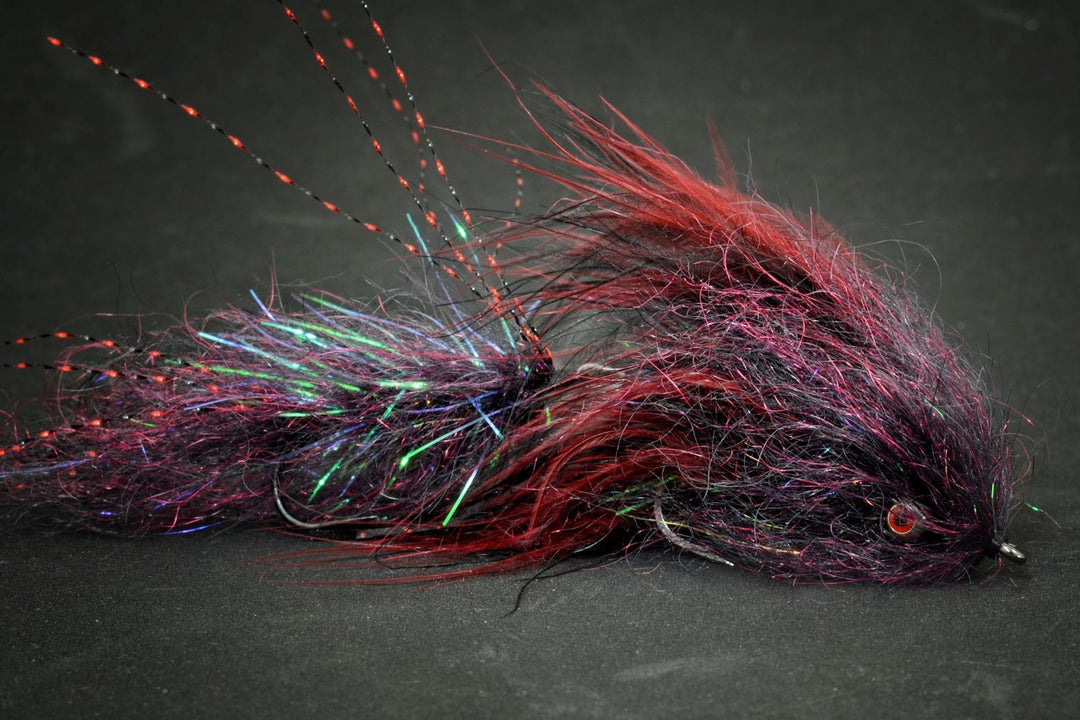
- Streamers: when you find faster tails and deeper runs, strip larger sculpin and minnow patterns slowly — big trout will key on moving baits.
- Dry-dropper: limited dry activity but a small para-dun or caddis with a trailing nymph covers cautious trout in clear seams.
- Indicator / Two-fly Rigs: still effective in stained water — run a heavier beadhead on point and a smaller emerger/dropper above.
- Streamers: when you find faster tails and deeper runs, strip larger sculpin and minnow patterns slowly — big trout will key on moving baits.
- Dry-dropper: limited dry activity but a small para-dun or caddis with a trailing nymph covers cautious trout in clear seams.
Leader, Tippet & Rig Suggestions
Euro Setup
9–11 ft fluorocarbon leader, thin butt; 0.18–0.14 mm tippet (equiv. 4–6X); tungsten jigs and small perdigons for anchors.
Indicator Rig
9–12 ft 4X–6X leader, 10–18 in dropper to point; beadhead nymphs (tungsten) on point; larger rubberleg/stonefly as trailer where present.
Streamer Fashion
7–9 ft sinking tip or weight forward line; 6–8 wt rods; slow strips and pauses in tailouts and undercut banks.
Safety Tip
Cold water = short fights. Carry a net for quick unhooks, have a dry bag and emergency layers in the vehicle.
Top Fly Choices — Matched to Truckee Winter Conditions
Below are practical fly selections, chosen for the current cold, slightly off-color flows. Each pattern includes a direct link so you can inspect or order.
Nymphs & Euro Anchors
- Egan's Poacher - Olive — superb anchor / heavy nymph for euro rigs and deep seams.
- Egan's Poacher - Black — darker option for stained water and colder days.
- Egan's Thread Frenchie Jig - Olive — compact jig for vertical presentations and tight strikes.
- Tungsten Dart - Red — darts and small heavy nymph options to get down fast in higher flows.
- Roza's Perdigon (Spain) — slim, dense perdigon for clear pockets and direct presentations.
Small Flies & Midges (pupa / emergers)
- Black Zebra Midge (TBH) — go-to winter midge for deep and indicator fishing.
- Top Secret Midge — simple, deadly when midges are on the menu.
- Bling Midge - Black — high-contrast under indicators or on Euro rigs.
- Jujubee Midge - Olive — soft-profile fly for picky winter trout.
Dry Flies & Emergents (where clear pockets allow)
- Corn-fed Caddis (CDC) - Tan — great emerger/cripple pattern for slow edges in evenings.
- Parachute - Blue Wing Olive — small parachute for baetis-type rises.
- Stealth Link Mercer - PMD — excellent emergent profile when PMD activity occurs.
- Parachute - March Brown — versatile small mayfly imitation for sunlit seams.
Streamers & Baitfish Imitations
- Coffey's CH Sparkle Minnow Sculpin — prime for tailouts and bank-structure ambushes.
- Sculpzilla - Olive — articulated sculpin for deep runs.
- Sculpzilla - Black — darker baitfish option when visibility is lower.
- Galloup's Slick Willy - Whitefish — classic articulated streamer for aggressive fish.
Terrestrials & Attractors (pocket / foam lines)
- Bionic Ant 2.0 - Black — reliable attractor for winter surface interest.
- Bionic Ant - Brown — subtler ant option for low-visibility edges.
- Deer Hair Ant — excellent floaters for slow seams and pocket water.
- Bionic Hopper - Tan — carry a few terrestrials for unexpected surface takes.
Field Notes & Local Tips
- Start low and slow: in cold winter water, smaller, heavier profiles fished close to the bottom win more often than flashy, large offerings.
- Work seams and tailouts: fish staging in current breaks and behind structure. When water is stained, fish deeper and slower.
- Switch to streamers when trout are actively patrolling structure — slow, deliberate strips with pauses mimic injured baitfish.
- Respect closures and private access. Park sensibly and watch for icy parking areas; many boat ramps may be closed or limited by weather crews.