White River Fly Fishing Report - January 1/18/2026
WHITE RIVER FLY FISHING REPORT
Arkansas — Norfork / Bull Shoals tailwater corridor
Current River Conditions
Flow: Low to normal for winter tailwater operations
Water Clarity: Generally clear — fish are suspicious, make precise presentations
Typical tailwater winter temps: mid 30s–low 40s °F (roughly 2–6 °C)
Note: shallow flats warm quickest on sunny afternoons
Short-term: cool mornings, sun mid-day, light breeze in afternoons
Fishing windows open when the sun softens surface tension
Public access points along the Norfork tailwater and downstream ramps are open.
Trailheads & ramps: check local roads for frost/ice on approach in early hours.
What the Fish Are Doing (Hatch & Activity)
| Insect / Prey | Imitation | Activity | Best Time |
|---|---|---|---|
| Midges (all life stages) | Small bead midges, zebra midges, chironomids | High — key winter food | All day; watch slow pockets |
| Baetis & Smaller Mayflies | Small emergers & comparaduns | Light to moderate — fish take emergers selectively | Late morning to early afternoon |
| Scuds & Sowbugs | Scud patterns and sowbugs | Moderate — excellent nymphing resource | Morning and mid-day |
| Stonefly / Salmonfly | Large rubber-leg stone nymphs, heavy pat's rubber legs | Low (off-season) — hold for spring/summer | Not typical in January |
Recommended Tactics
- When fish are rising to emergers or occasional baetis, downsize to a precise emerger or small parachute and fish long drifts.
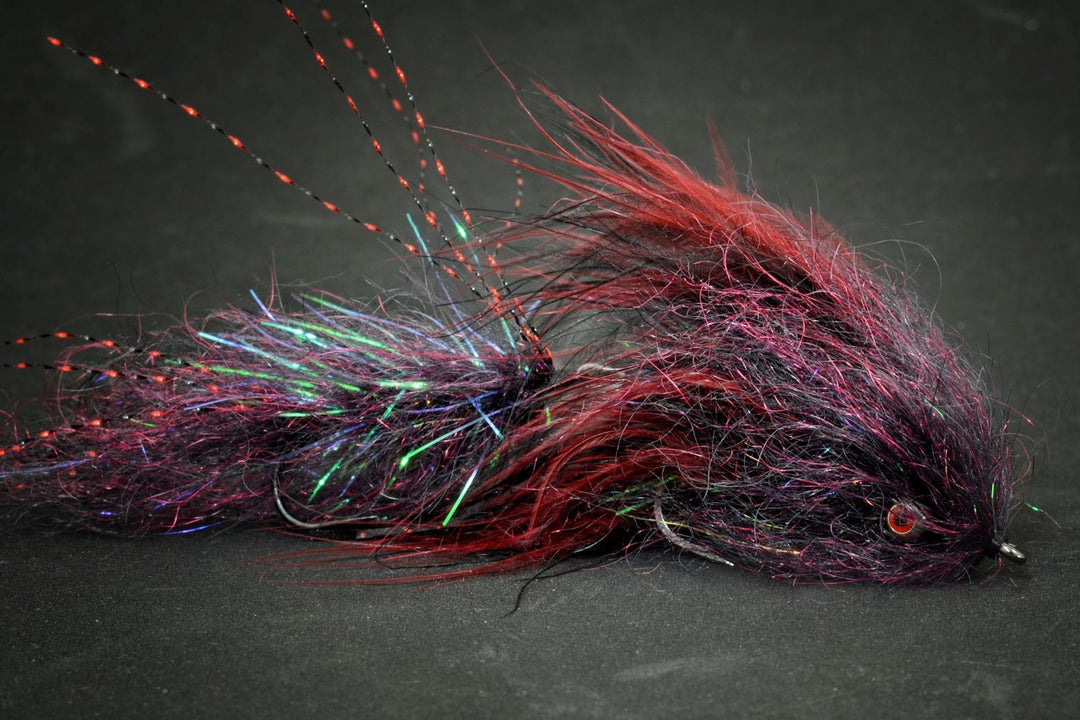
- Streamer work pays when fish are keyed on bait or when visibility reveals holding fish along structure — slow, short strips near drop-offs.
- Keep tippets light: 5X–6X for small mayfly/midge drys; 3X–4X for large nymphs and streamer leaders.
Tackle & Rigging Cheat Sheet
9' 4–6wt for nymphs & dries; 7–8wt for streamers
Weight-forward floating for dries; full sinking or intermediate for streamers; Euro lines for tight nymphing
5X–6X for dries/emers, 3X–4X for streamers, 4X–5X for general nymphing
Indicator with dropper double-nymphs (1–3 ft between flies); euro point + trailing micro nymph; streamer short-leader (2–4 ft)
Regulations & Notes
Recommended Flies (matched to top patterns)
Below are hands-on choices for the current bite. I’ve grouped them by tactic and included direct product links so you can match sizes and take a closer look.
Dry Flies & Surface
- Corn-fed Caddis (CDC) — Tan — excellent for selective caddis eaters and winter dusk activity.
- Parachute - Blue Wing Olive — reliable parachute for picky baetis rises.
- Stealth Link Mercer - PMD — a go-to when PMD/baetis emergers are in play.
- Parachute - March Brown — a dependable attractor when fish lift to larger mayflies.
Nymphs (Euro / Indicator / Jig)
- Egan's Poacher — Olive — perfect as an anchor/point fly for euro rigs.
- Egan's Poacher — Black — darker profile for stained pockets or low light.
- Egan's Thread Frenchie Jig — Olive — a jig nymph with great fish-attracting silhouette and tungsten weight for fast water.
- Tungsten Dart — Red — a slim, fast-sinking dart for precise depth control on tricky pockets.
Streamers & Big Flies
- Coffey's CH Sparkle Minnow — Sculpin — classic sculpin profile for aggressive winter strikes.
- Sculpzilla — Olive — heavy, lifelike sculpin that holds shape on long casts and through current.
- Sculpzilla — Black — darker sub-surface option when visibility is lower.
- Galloup's Slick Willy — Whitefish — an articulated baitfish profile to tempt big tailwater trout.
Midges, Chironomids & Emergers
- Egan's Frenchie Chironomid — go-to chironomid for stillwater-style takes in winter pockets.
- Black Zebra Midge (TBH) — crucial when midges are the primary food.
- Top Secret Midge — tiny, accurate midge imitation for finicky feeders.
- Black Mirage Zebra Midge — another fine option for indicator or euro rigs.
Stonefly / Large Nymphs (spring-ready patterns)
- Tungsten Pat's Rubber Legs — Tan & Brown — bulky, realistic stonefly imitation (winter storage but great for deep pockets).
- Olsen's Straggle Stone — Brown (barbless) — a straggly stone nymph that fishes well on an indicator.
- Henry's Fork Foam Stone — Salmonfly — large surface pattern to keep in the box for rising big-stone events later in the year.
- Deep Cleaner Stonefly Nymph — Golden — great bulky nymph for heavy pocket presentations.
Day-by-day Game Plan (Jan 18 — Jan 20)
| Time | Tactics | What to Expect |
|---|---|---|
| Sunrise–Late Morning | Nymph heavy: euro point flies, tungsten jigs, sowbugs | Active fish in seams and drop-offs; fish deep and slow for consistent hookups |
| Midday | Watch for risers; swap to small emergers or a baetis parachute when rises appear | Selective but decisive surface takes; keep long drag-free drifts |
| Afternoon | Try high-percentage dries (caddis, bwo) along banks and foam lines | Warm sun can trigger surface activity — be ready with small dry/dropper rigs |
| Low Light / Overcast | Streamer runs: slow strips along structure; heavier streamers if visibility is poor | Big brown trout may take aggressively — heavier leaders and 7–8wt rods help |
Local Notes & Final Thoughts
When water is clear and levels stay low, precision wins. Shorten leaders, watch subtle takes, and change depth rather than fly size until you find the willing zone. March and April will bring bigger stonefly & salmonfly activity — for now lock in your midge/baetis and tungsten nymph game and carry a couple of dependable streamer/sculpin profiles for opportunistic predators.