The Baitfish Hub: Chasing the Big Eaters
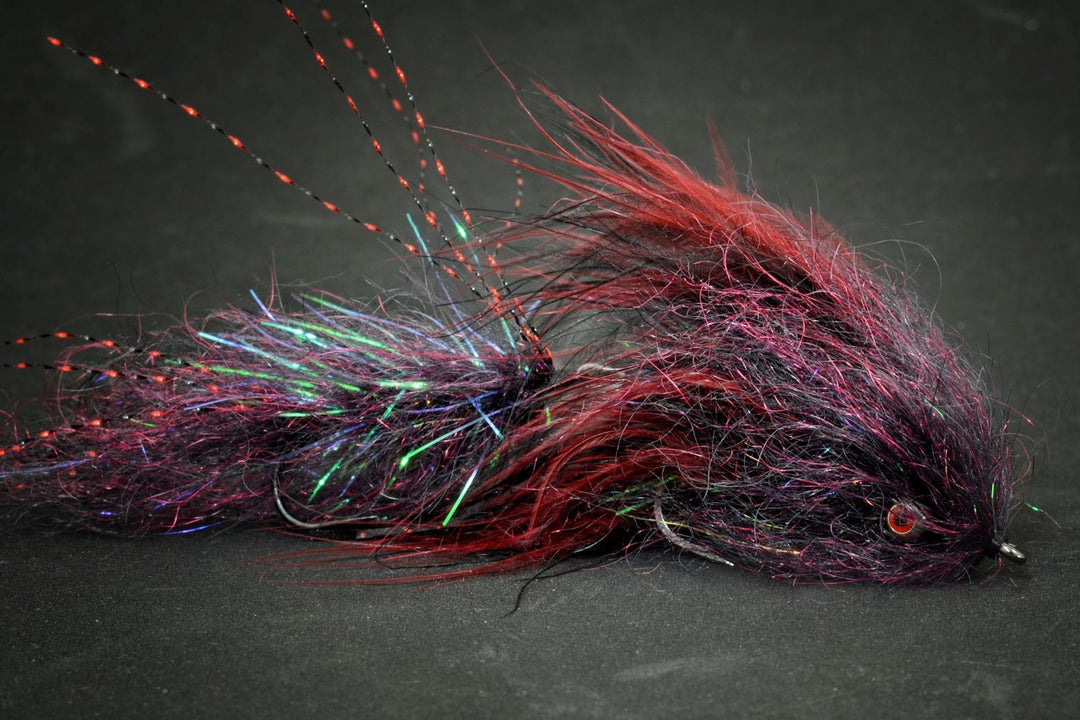
Welcome to the ultimate resource for fishing baitfish patterns. In the fly fishing world, there’s an old saying: elephants eat peanuts, but they prefer steaks. When predatory fish—whether that's a massive brown trout, an aggressive smallmouth bass, or a cruising tarpon—want to consume a lot of calories without expending much energy, they look for baitfish.If you want to feel the jolt of an aggressive strike and target the largest fish in the system, you need to understand how to fish the streamers and baitfish patterns that mimic their natural prey.
The Golden Rule of Baitfish: Predator fish are opportunistic but efficient. Your fly doesn't just need to look like food; it needs to move like vulnerable, fleeing prey.
Why Fish Baitfish Patterns?
Fishing with baitfish patterns (often grouped under the broader category of "streamers") is a fundamentally different game than delicately presenting a dry fly. Here is why you should have a dedicated box of baitfish:
- Bigger Fish: Large predators transition their diet from aquatic insects to high-protein baitfish as they grow.
- Reaction Strikes: A fast-moving baitfish pattern triggers a predatory instinct, resulting in explosive, aggressive takes.
- Versatility: Baitfish patterns work in fresh water and salt water, in rivers, lakes, and oceans.
- Year-Round Action: While insect hatches are highly seasonal, predatory fish hunt baitfish 365 days a year.
Essential Baitfish Profiles
Understanding what the local predators are eating is the first step to choosing the right fly. Click through our guides below to master each type of forage:
- The Minnows & Shiners: The bread and butter of freshwater systems. From silver shiners in midwestern rivers to fathead minnows in stillwaters, these slender, flashy baitfish are heavily preyed upon by trout and bass.
- The Bottom Dwellers (Sculpin & Gobies): Sculpin are bottom-hugging, large-headed baitfish that don't have swim bladders, meaning they dart and sink quickly. Big brown trout are notorious for hunting them.
- The Wide-Bodied Forage (Shad & Panfish): When targeting bass, pike, or reservoir trout, you need flies with a wider profile to mimic juvenile bluegill, crappie, or shad.
- Saltwater Baitfish (Mullet, Pilchards & Glass Minnows): Saltwater is an entirely different beast where the baitfish school in the millions and move at lightning speeds.
Techniques and Tactics
Having the right fly is only half the battle; knowing how to strip, swing, and pause is what actually catches the fish.
- The Strip-and-Pause: The most common retrieval method. The "pause" simulates a stunned or dying baitfish—which is almost always when the strike happens.
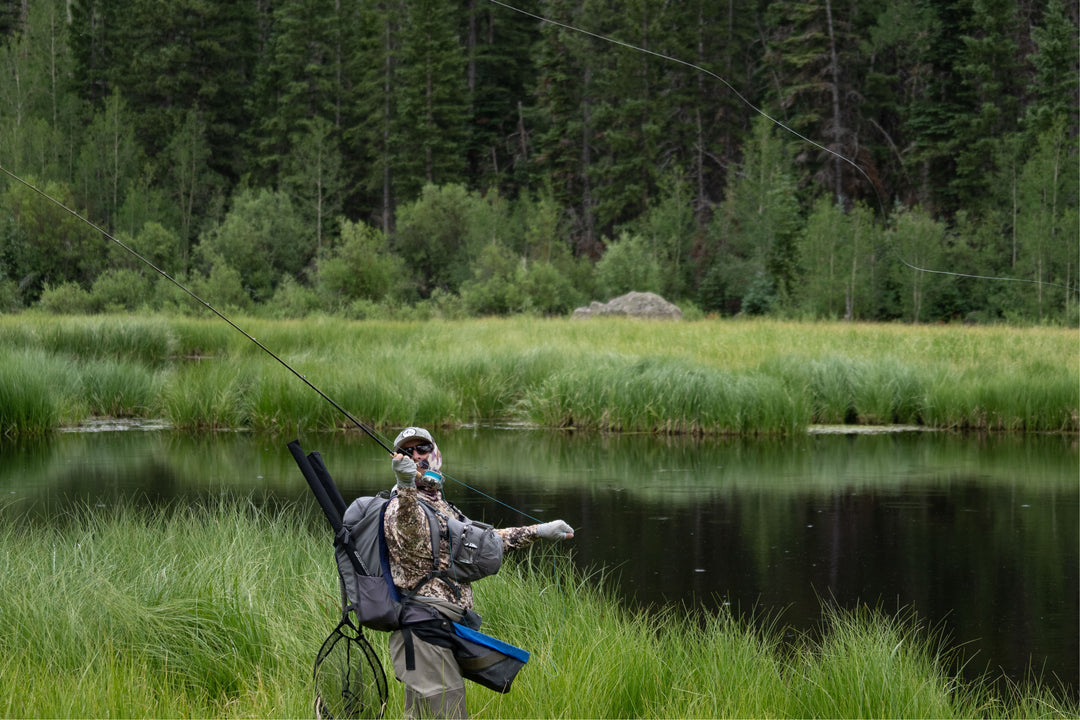
- The Swing: A classic river technique where you cast across and downstream, letting the current sweep the fly across the holding zones.
- Choosing Your Line: We break down when to use floating, intermediate, and heavy sink-tip lines to ensure your fly is in the strike zone.