Fly Fishing Cicadas: The Ultimate Guide to the Summer's Best Topwater Action
You’ve probably heard the hype. Every few years, news outlets buzz with stories of massive, apocalyptic clouds of 13-year or 17-year periodical cicadas emerging from the earth. Fly anglers flock to these once-in-a-decade "Brood" hatches for some of the most gluttonous, explosive dry fly fishing on the planet.But here is the best-kept secret in fly fishing: you don’t have to wait a decade to fish a cicada. While the famous periodical broods get all the press, annual cicadas (often called "Dog-Day" cicadas) emerge every single summer across the country. They might not darken the skies, but there are more than enough of them buzzing in the trees—and blundering into the water—to make them a staple in any serious angler's summer fly box.
Why Fish Cicadas Every Year?
When the dog days of summer roll around, typical mayfly and caddis hatches often slow down. The water warms up, and trout can get incredibly lazy. To convince a big, lethargic trout to move to the surface, you need to offer them a meal that's worth the caloric effort.Enter the cicada. These are big, clumsy, protein-packed bugs. When a cicada crashes into the river, it doesn't land delicately. It makes a commotion, sending out distress vibrations that act like a dinner bell for opportunistic trout, bass, and panfish.
Essential Tactics for Fishing the Cicada
Fishing a cicada pattern is a refreshing break from the delicate presentations required for tiny midges or mayflies. Here is how to make the most of the annual summer cicada bite:
- Embrace the "Splat": Most dry fly fishing requires a feather-light presentation. Not here. Cicadas are heavy and clumsy. When you cast, aim to purposefully "splat" the fly onto the water. That aggressive landing is exactly what triggers a predatory strike.
- Bang the Banks: Cicadas aren't aquatic insects; they fall from the trees and bushes lining the river. Focus your casts tight against grassy banks, under overhanging branches, and near submerged timber where these bugs are most likely to take a tumble.
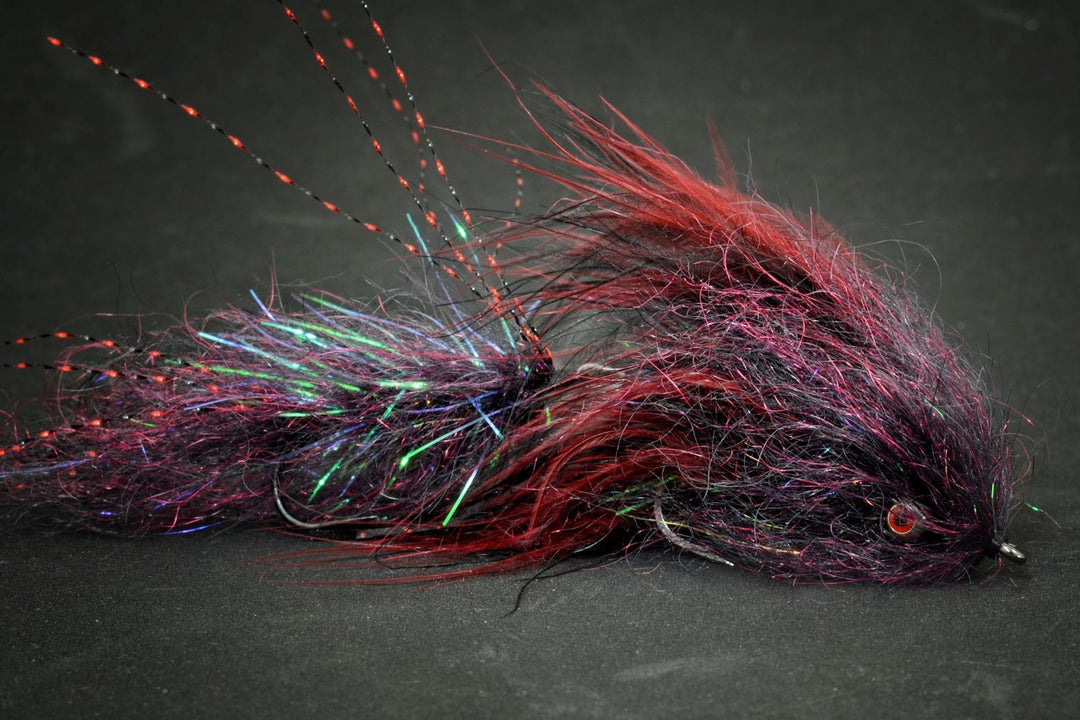
- Give it a Twitch: If your fly has been sitting dead-drifted for a few seconds with no takers, give your rod tip a tiny twitch to make the rubber legs on your fly kick. A struggling bug is incredibly hard for a fish to resist.
- Wait for the Eat: Because cicada flies are so large, trout will often slurp them in slowly. If you set the hook the millisecond you see a splash, you’ll likely pull the fly right out of the fish's mouth. Pause for a split second, say "God save the Queen," and then set the hook.