files/7712645185735__emu-feathers_v2_d50ffa06-de81-4910-911e-0139f2c288a6.jpg
01:03 PM
Skip to contentEMU073
files/7712645185735__emu-feathers_v2_d50ffa06-de81-4910-911e-0139f2c288a6.jpg
01:03 PM
All items are shipped USPS. Orders over $100 qualify for free shipping (excluding heavy and bigger items).
Tracking Information is available after the order is shipped (usually within 24 to 48 hours).
Expedited shipping is available for US customers only and is an option at checkout.
International shipping rates are real-time and actual costs. Free shipping does not apply.
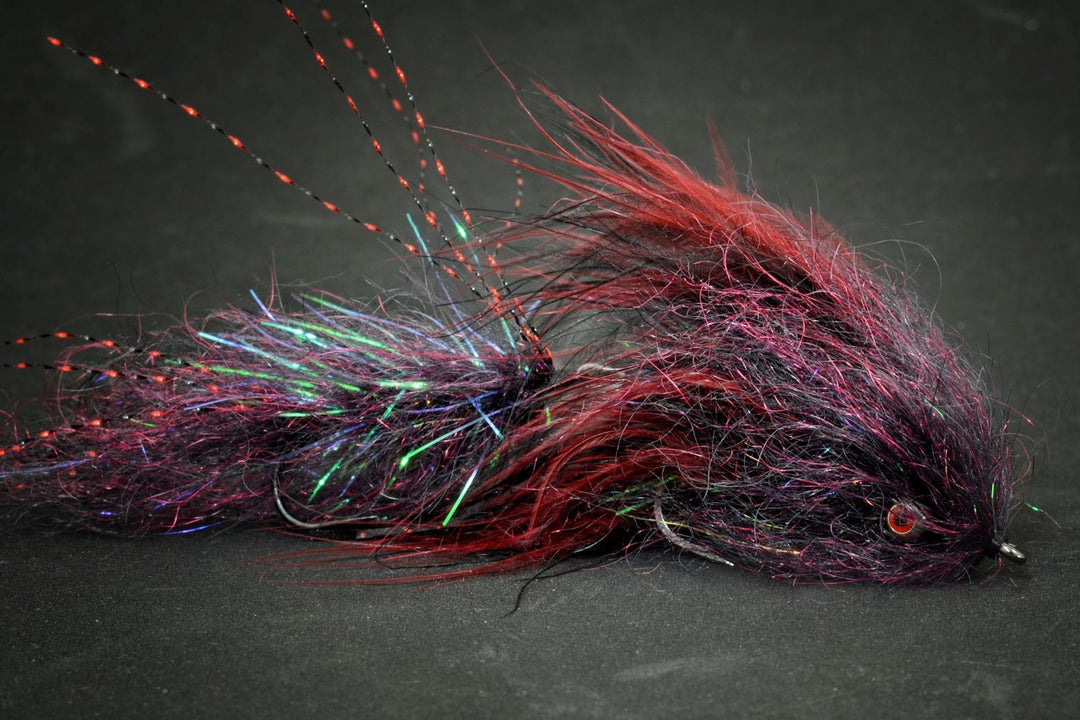
First, a clarification. Emu is a strange material. The feather is 3 feathers in one. The tip, usually less then 1/3, is super stiff and the fibers are solid. Use them for tails, etc., or toss them; that is what I do. The middle part is stiff, but super buoyant. Done correctly, it makes some super dry fly hackle. the last third is super soft branched out fibers. It makes so excellent soft hackle and because it bends in the water like it has a joint, it stands out. The magazine Fly Tyer has an article called The EMU Epiphany. Mark Salkowitz explained this much better than I can. What can you take from this? It is a crazy super material, but it is not a do-it-all. It takes some learning to make good flies. Once you learn, you will have some excellent options in your fly box.
Now, one issue. Emu feathers are not always great. I find about 1/3 to 1/2 of a package is useful for me. The rest get's tossed. Still, for $5, you get a lot of good material.
Very stiff and 1/3 of the end of the feather is not usable. Could be from the dying process? Unsure.
This page has links to all of our fly tying tutorials, including full recipes, alternates, and videos.
Like Stillwater? There is a page for you. Love dry flies? We have your back.